
AIBES 5-Point Friday #10
From domain AI systems to "software for one" — here are 5 things our AI Business Engineers are excited about this week!
Signal Worth Noticing
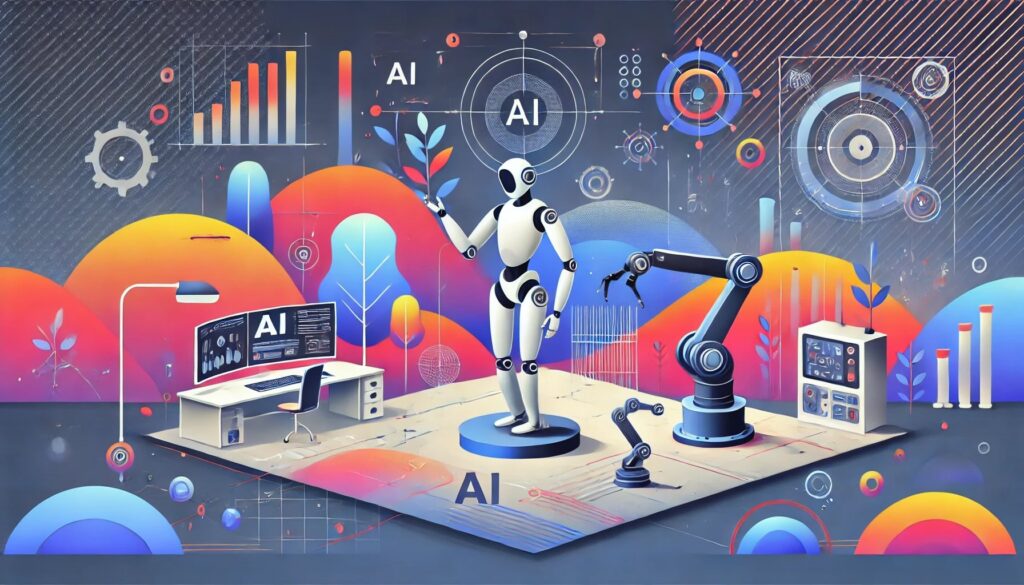
The most interesting AI progress right now is shifting away from “better chatbots” and toward systems that operate inside real-world domains. Over the past few weeks we’ve seen major research and product updates aimed at using AI in practical workflows like healthcare diagnostics, climate forecasting, and structured data extraction from messy real-world inputs. AI hype is sigmatic in its application vs. chatbot tool foci and this most recent shift matters because it signals where the next phase of AI value will likely come from: not just general-purpose models alone, but from systems that combine models, domain data, and operational context to solve specific real-world problems. In other words, now that we have Turing Test passable chatbots, the frontier of AI is increasingly less about conversation and more about execution inside real systems.
AIBES Tech of the Week
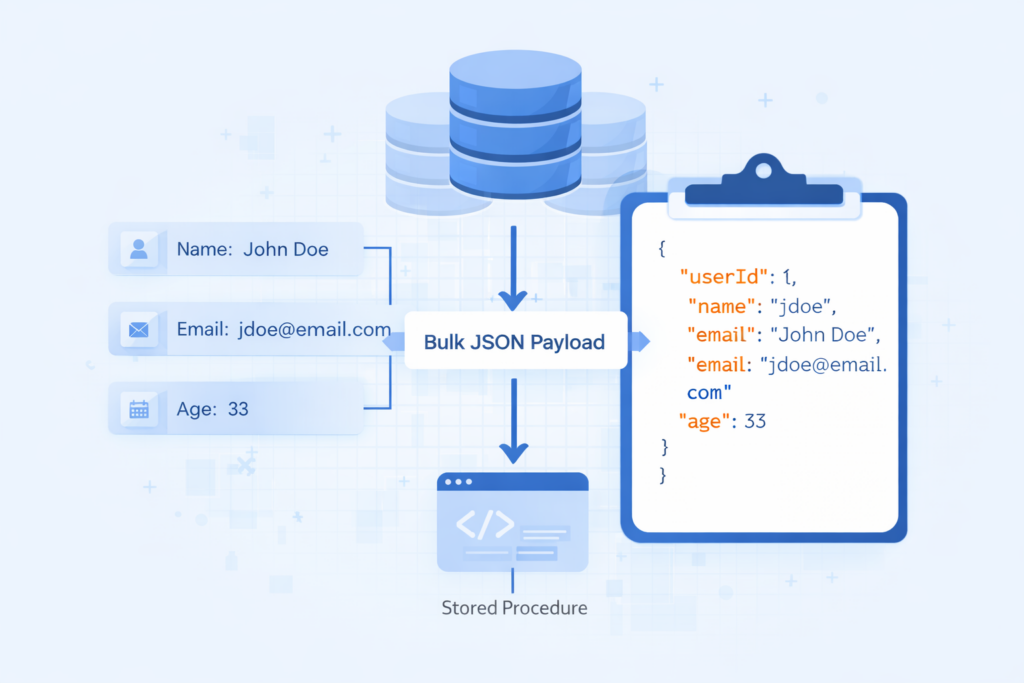
This week’s engineering pattern: bulk JSON stored procedures instead of a growing list of single-field update procedures.
Rather than creating a new stored procedure every time a UI needs to update another field, we’ve been using a smaller set of mutation procedures that accept structured JSON payloads. This approach reduces procedural sprawl, allows multiple related fields to update atomically in a single transaction, and makes schema evolution easier as products grow. It also creates a natural place to centralize validation, logging, and audit trails, since the full mutation payload can be captured and processed in one location.
It’s a small architectural decision, but patterns like this make it much easier to support highly customized applications – which is exactly where we think software development is heading… –>

<– …which is this week’s Framework We’re Using
At AIBES we’re leaning even harder into the idea of “software for one.” Instead of forcing teams to adapt to generic SaaS tools, AI-assisted development now makes it realistic to build highly customized systems around a specific workflow, team, or decision loop.
The data supports this shift. Retool recently reported that 35% of teams have already replaced at least one SaaS tool with something custom-built, and 78% expect to build more internal tools in 2026. AI-assisted development and agent-driven engineering are lowering the cost of building these systems, making tailored software a viable strategy instead of an expensive exception.
The goal isn’t customization for its own sake. It’s software that fits a real operating motion so closely that it feels less like a tool and more like part of the team.
Trending News
- OpenAI is acquiring Promptfoo’s testing and red-teaming capabilities into its Frontier platform.
- Google introduced Gemini 3.1 Flash-Lite – a faster, lower-cost Gemini model designed for high-volume workloads, priced around $0.25 per million input tokens and $1.50 per million output tokens.
- Google is also pushing deeper Gemini integration into Docs, Sheets, and Drive workflows with stronger context awareness from files, emails, and the web.
- Microsoft launched Microsoft 365 E7. The new bundle combines Copilot, AI agents, identity, device management, and security into a single enterprise platform.


Quote We’re Pondering:
“The most damaging phrase in the language is: ‘We’ve always done it this way.’”
- Grace Murray Hopper — a pioneering computer scientist and U.S. Navy Rear Admiral who helped develop the first compiler for a programming language.