AIBES 5-Point Friday #11
From "docs as architecture" to NVIDIA + OpenClaw — here are 5 things our AI Business Engineers are excited about this week!

Signal Worth Noticing
The coding story is maturing. Jellyfish Research’s latest benchmark across 700+ companies, 200,000 engineers, and 20 million pull requests shows median AI adoption at 63%, 64% of companies generating most code with AI, and top adopters seeing roughly 2x PR throughput; autonomous agents are already responsible for a measurable share of PR output. That means the biggest question is no longer whether AI helps an individual developer type faster. The new question is whether a company has the standards, review systems, documentation, naming, architecture guidance, and deployment discipline to keep AI-generated output coherent across teams. In other words, the gains are becoming real enough that the limiting factor is organizational design. It feels important now because the winners will not just be the teams with access to coding agents; they will be the teams with a stable operating system for using them well.
Framework We’re Using
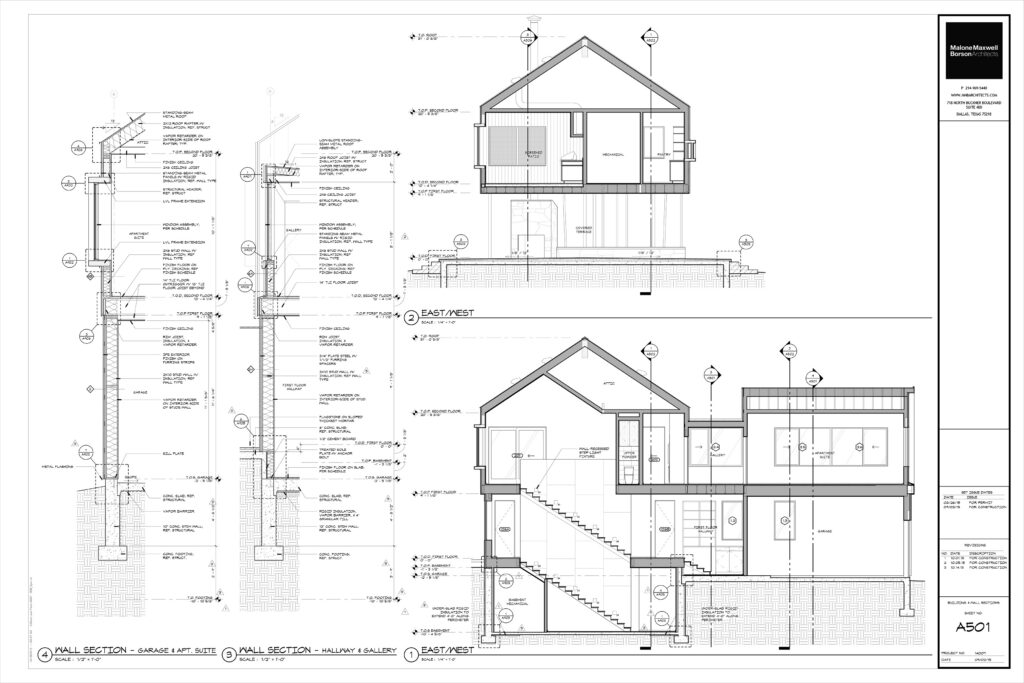
One of the biggest lessons in AI-assisted software building is that documentation is both for humans and is also part of the execution infrastructure. If AI is writing meaningful portions of code, then bootstrap .md files for process, memory, design systems, theme selectors, architecture decisions, deployment guides, and naming conventions become critical sytems. They are the context contract that keeps multiple developers and multiple AI copilots producing one coherent product instead of five slightly different ones. Good documentation now acts like shared system memory: it reduces drift, preserves design integrity, speeds onboarding, and makes AI output more reliable across the team. The practical shift is simple but powerful: treat docs less like passive reference material and more like governed inputs to production. That matters because AI-assisted coding is already common enough that throughput is no longer the only question; consistency is.
AIBES Tech of the Week
AIBES thinks Langfuse is compelling because it turns LLM usage from anecdotal prompt tweaking into something you can actually inspect and improve. Its recent move to an observations-first data model, built on ClickHouse, is designed for production-grade LLM applications: better trace visibility, faster performance, and a cleaner way to analyze what happened across prompts, tool calls, evaluations, and outcomes. For client work, that means you can trace not just what model was called, but where a workflow is actually breaking.. Once traces are segmented by customer, workflow, model, and failure mode, optimization becomes an engineering discipline instead of a vibe. That is the real unlock: observability turns “our AI feels inconsistent” into a measurable system problem you can fix. AIBES is integrating Langfuse into our “Control Plane” – reach out to learn more about what this could mean for your agentic solutions!
Trending News
NVIDIA frames the next AI wave around inference economics and “AI factories” at GTC 2026
NVIDIA also introduces OpenClaw, OpenShell, and NemoClaw to bring governance and control to previously unfettered AI agents
Adobe and NVIDIA partner to push AI deeper into creative and marketing workflows with Firefly
IBM closes its $11B Confluent acquisition to strengthen real-time data infrastructure for AI
OpenAI explores enterprise distribution partnerships with major private equity firms


Quote We’re Pondering:
“Plans are worthless, but planning is everything.”
- Dwight D. Eisenhower – Supreme Allied Commander in World War II and the 34th U.S. president