
AIBES 5-Point Friday #19
From AI Adoption to AI Valuation, here are the 5 things AI Business Engineers are interested in this week!
SIGNAL WORTH NOTING: Enterprise AI Adoption Is Becoming a Model-Preference Market
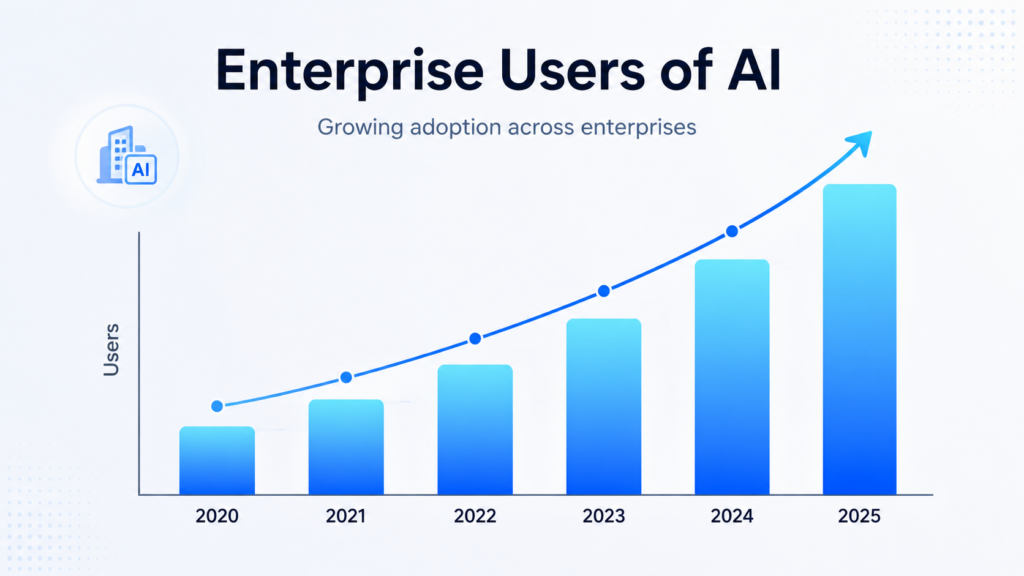
Anthropic reportedly overtook OpenAI in business adoption in Ramp’s AI Index, with Anthropic at 34.4% of businesses in April 2026 versus OpenAI at 32.3%. That matters less as a “leaderboard” and more as a sign that enterprise AI buyers are becoming more fluid, pragmatic, and workload-driven. Companies are not just buying the brand; they are shifting spend toward the model or agent stack that best fits software development, legal work, finance, research, or operating workflows. This is important now because AI adoption is no longer a single-vendor transformation story. It is becoming a portfolio of model choices, workflow choices, and cost/performance tradeoffs. For builders, the takeaway is clear: architecture should assume model rotation, not model permanence.
FRAMEWORK WE’RE USING
Claude Design
Claude Design is useful as a framework because it reframes design from a static deliverable into a conversational production system. The goal is not simply to make something prettier faster; it is to move from intent to artifact with fewer translation losses between strategy, structure, visual hierarchy, and execution. For AIBES, the pattern is to treat design as an operating layer: clarify the purpose, define the audience, generate a first-pass artifact, critique it against the business goal, then iterate toward something usable. The most interesting part is that the model is not just filling in pixels, it is helping organize thinking into a visual system. Used well, Claude Design becomes less of a design shortcut and more of a way to compress the distance between idea, communication, and action.
AIBES TECH OF THE WEEK
Claude Opus 4.7 Fast Mode
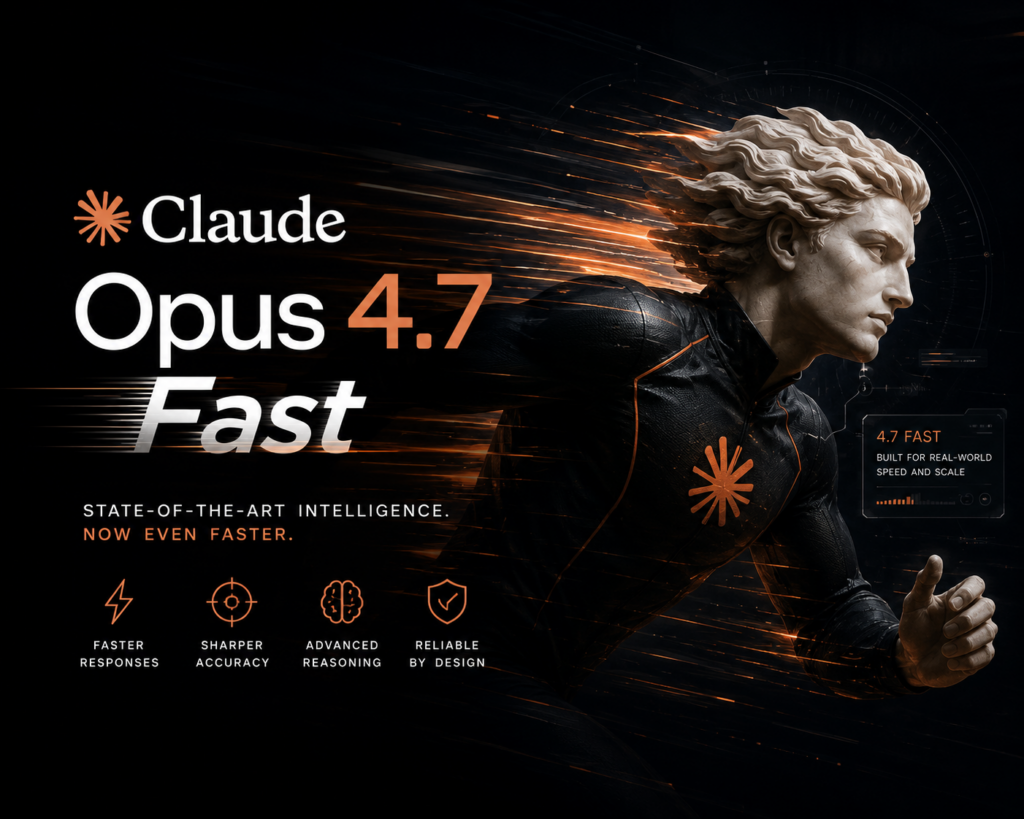
Claude Opus 4.7 Fast Mode is interesting because it forces a practical engineering tradeoff: not every AI task needs maximum deliberation, but every production workflow needs the right speed-to-quality ratio. The useful pattern is to split work into lanes: use fast mode for drafting, transformation, classification, formatting, lightweight research synthesis, and first-pass artifact generation; reserve deeper reasoning for architecture decisions, final review, edge-case handling, and high-risk business outputs. That kind of routing matters more than the model name itself. The system-level lesson is that better AI products will not simply call the strongest model for every step. They will orchestrate the right model behavior for the right phase of work, with verification where it counts.
TRENDING NEWS
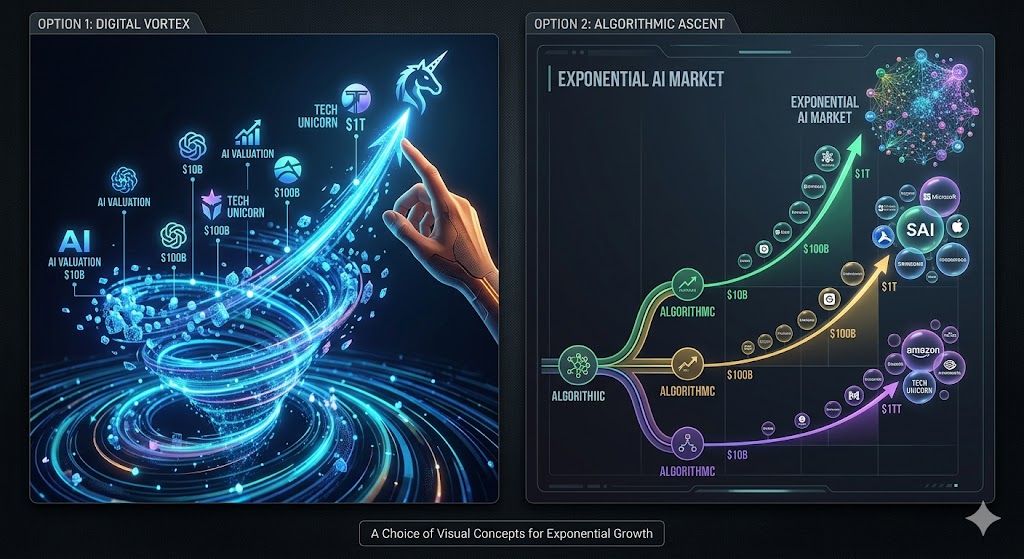
1. Anthropic reportedly pushes toward a massive new valuation: $900 Billion
2. SAP launches an “Autonomous Enterprise” AI and automation suite
3. Recursive Superintelligence Raises $650M at $4B+ Valuation
4. Anthropic Launches Claude for Small Business
5. Cisco’s AI infrastructure orders signal continued data-center demand

Quote We’re Pondering:
“Design is not just what it looks like and feels like. Design is how it works.”
- Steve Jobs —Apple co-founder who transformed computing, music, phones, and design.