
AIBES 5-Point Friday #4
From AI infrastructure to the new era of Wikipedia - here are 5 things our AI Business Engineers are excited about this week!
Signal Worth Noticing
The AI race is quietly becoming an infrastructure-and-distribution race. This week’s most telling move was Apple choosing to base the next generation of its Foundation Models on Google’s Gemini models + cloud, explicitly to power future Apple Intelligence features (including a more personalized Siri “coming this year”). When the most valuable consumer hardware platform decides that its “model layer” is best sourced from a rival, it’s a reminder: this AI stuff isn’t easy!
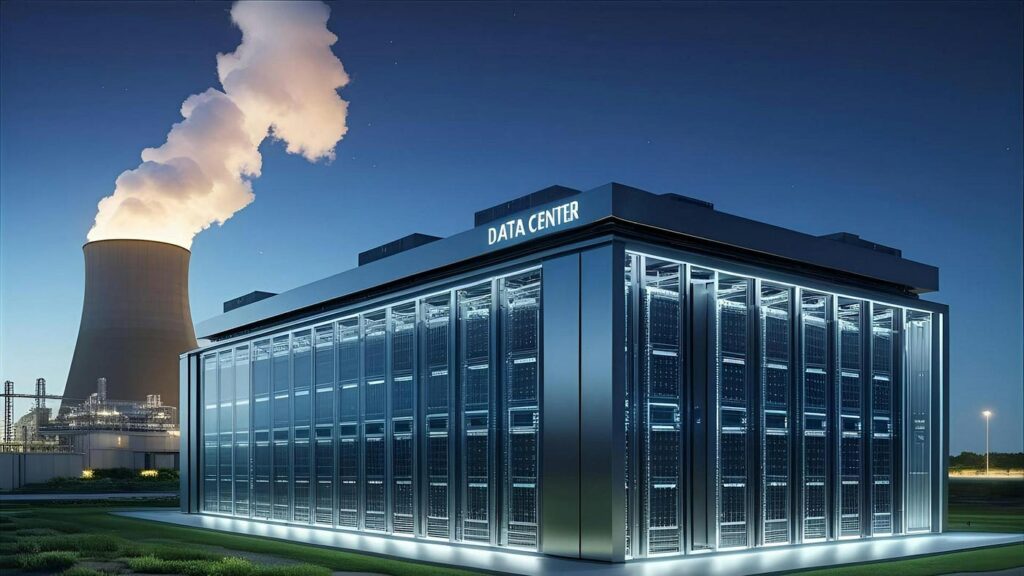
At the same time, the “real moat” keeps shifting downward: megawatts, grid interconnects, and build capacity. Google publicly flagged the U.S. transmission system as a primary blocker for connecting new data centers – sometimes with interconnection wait times stretching toward a decade – prompting exploration of building data centers next to power plants.
AIBES Tech of the Week
Our “parent” platform and database layer AIRDEX already provides RBAC-driven data governance, single-tenant or multi-tenant isolation, and audit trails that make it obvious who touched what, when. Although not as flashy as a new model drop, this is the type of functionality that separates a true data solution from trendy data hype.
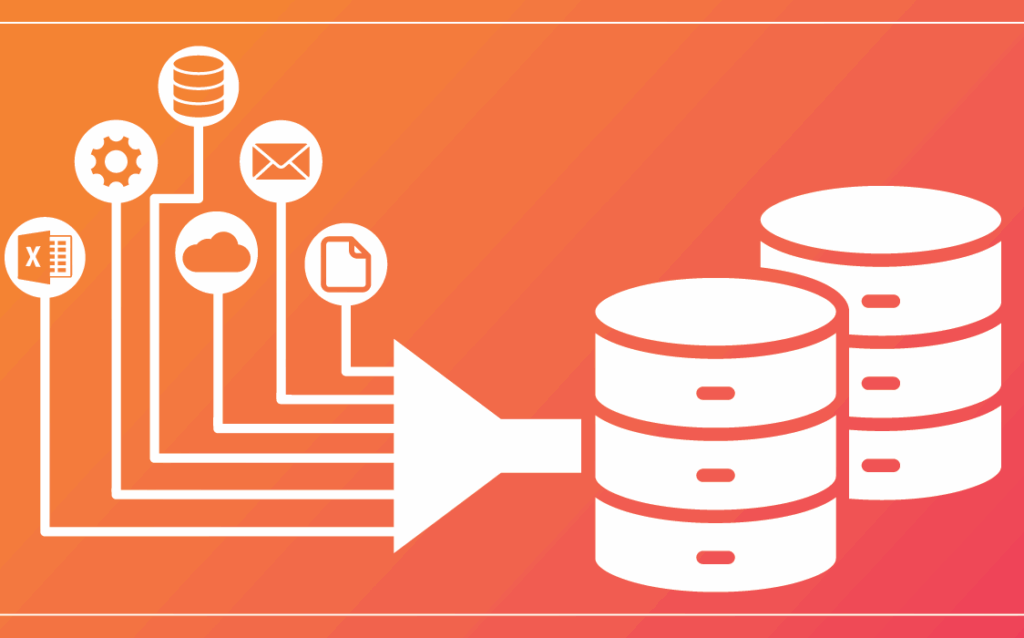
Additionally, one of AIRDEX’s biggest superpowers is even simpler (in theory) but is the type of architecture work AI vibecoding really struggles with: dataflow. AIRDEX is designed to house the ingestion models + scripts right next to the data, so they can make the API calls, normalize the payloads, and pipe clean outputs straight into SQL without brittle spaghetti vibecode scattered across five services. This week our lead data architect was able to quickly devise a solution for a client who needs data from several APIs all in one place – and he nailed the job quickly because AIRDEX is built for it.

Framework We’re Using
The technical win with AIRDEX is the ingestion layer. However the business win is what happens after that: clients retain ownership of their normalized AIRDEX data, and they can export it to self-hosted applications if they ever want. No hostage situations. The power stays with the client.
Data portability is becoming a baseline expectation across modern software: people (and businesses) increasingly want their data in structured, machine-readable formats that can move between systems without drama.
What this changes in practice: Your “system of record” stays yours, not trapped behind a vendor’s UI or proprietary schema…although we’re pretty sure you’ll love AIRDEX once you try it – contact us for more info!
Trending News
Samsung plans to put AI smarts in every 2026 smartphone, committing to integrate advanced AI features across its entire mobile lineup – targeting more than 800 million AI-equipped phones by the end of the year.
OpenAI is buying massive compute from Cerebras, reportedly a deal valued at $10B+ for up to 750MW over three years.
As part of its 25th anniversary, the Wikimedia Foundation announced new enterprise partnerships with Microsoft, Meta, Amazon, Perplexity, and France’s Mistral AI, aimed at providing high-speed, high-volume access to its content and helping sustain the nonprofit in the age of AI.


Quote we’re pondering:
“The future is already here — it’s just not evenly distributed.”
- William Gibson, American-Canadian author