
Signal Worth Noticing
The Bottleneck Just Moved to Memory
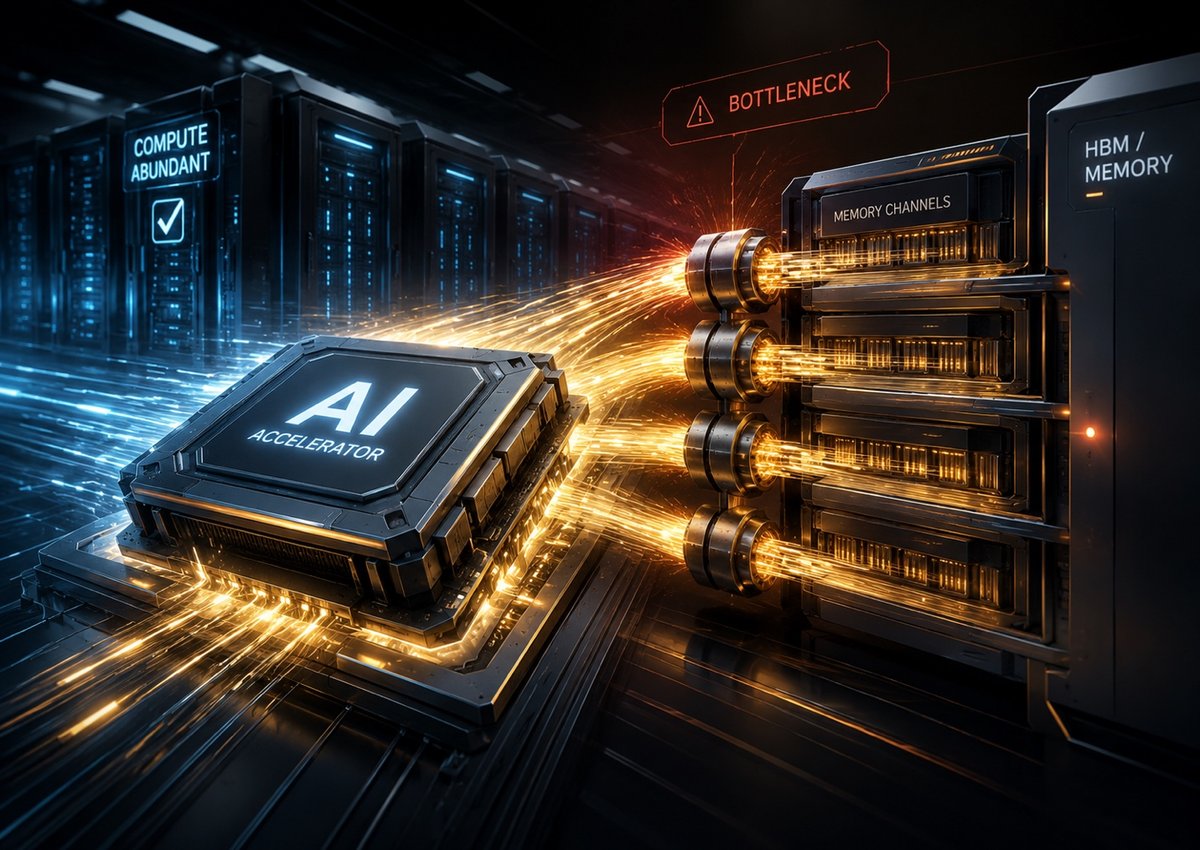
Sandisk and SK Hynix opened a new High Bandwidth Flash standard this week, 512 gigabyte packages moving data at up to 3 terabytes per second, and Samsung answered with zHBM bonded directly onto the accelerator for eight times the performance of HBM5. None of that stopped AMD from sliding 7% the same week it reported 50% revenue growth, because growth that fast now reads as disappointment to a market pricing in more. For two years the compute story was entirely about how many GPUs a company could buy; this week the ceiling moved to how fast you can feed the ones you already have. The GPU was never going to stay the bottleneck for long, and memory bandwidth is where the next race is actually running.
Framework We're Using
Falsifiable by Default
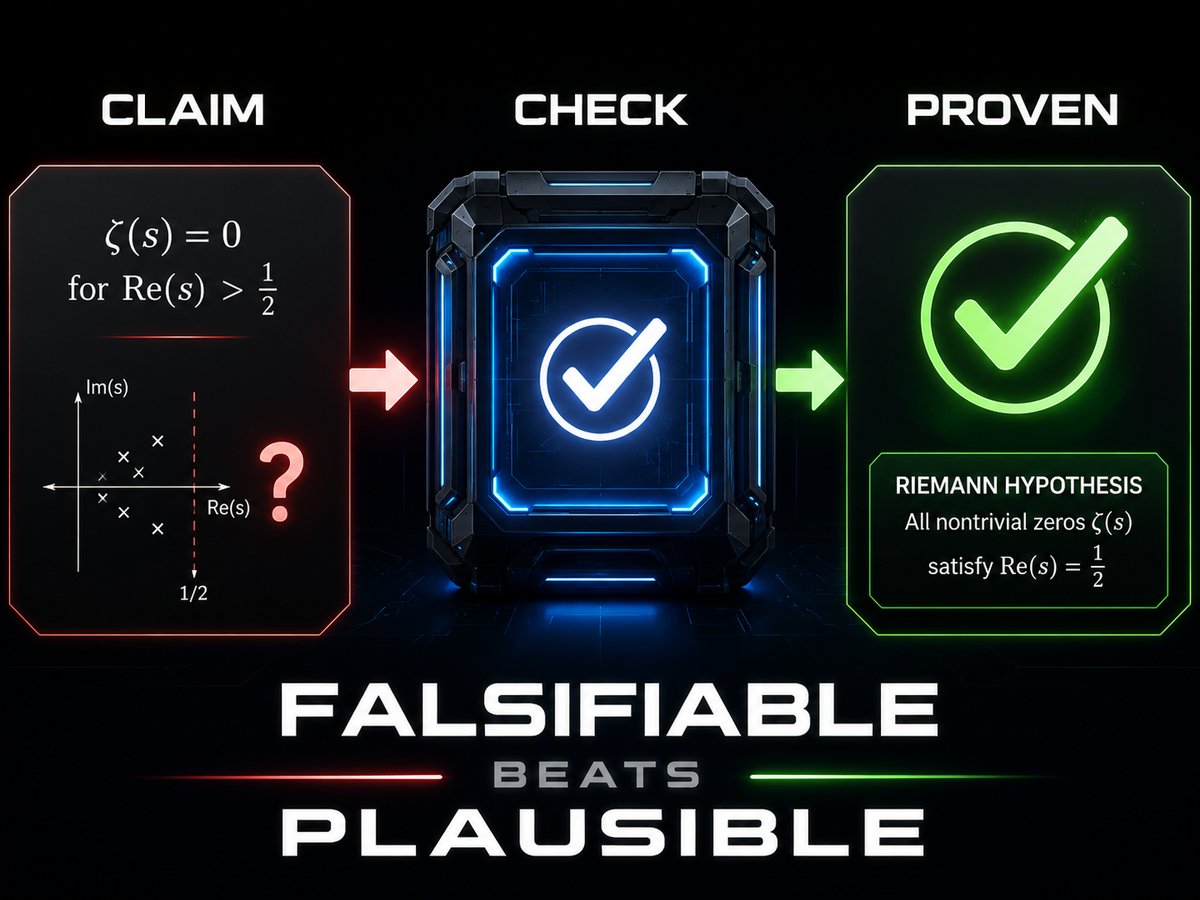
An unreleased OpenAI model produced machine-checkable proofs for ten open math and computer-science problems this week, including a question in group theory that had stood for 27 years, for about $2,000 in compute. What made the claim credible wasn't the model, it was that the proof format gives a binary verdict: it compiles or it doesn't, and anyone can run the check without a PhD. We're applying the same standard to agent output before extending any agent more autonomy, asking whether a claim resolves to a check someone else can run, or whether it just sounds plausible. Plausible is cheap. Falsifiable is the only kind of trust worth extending to a system you didn't write yourself.
AIBES Tech Of The Week
Replay-Exact Event Logs for Agent Fleets
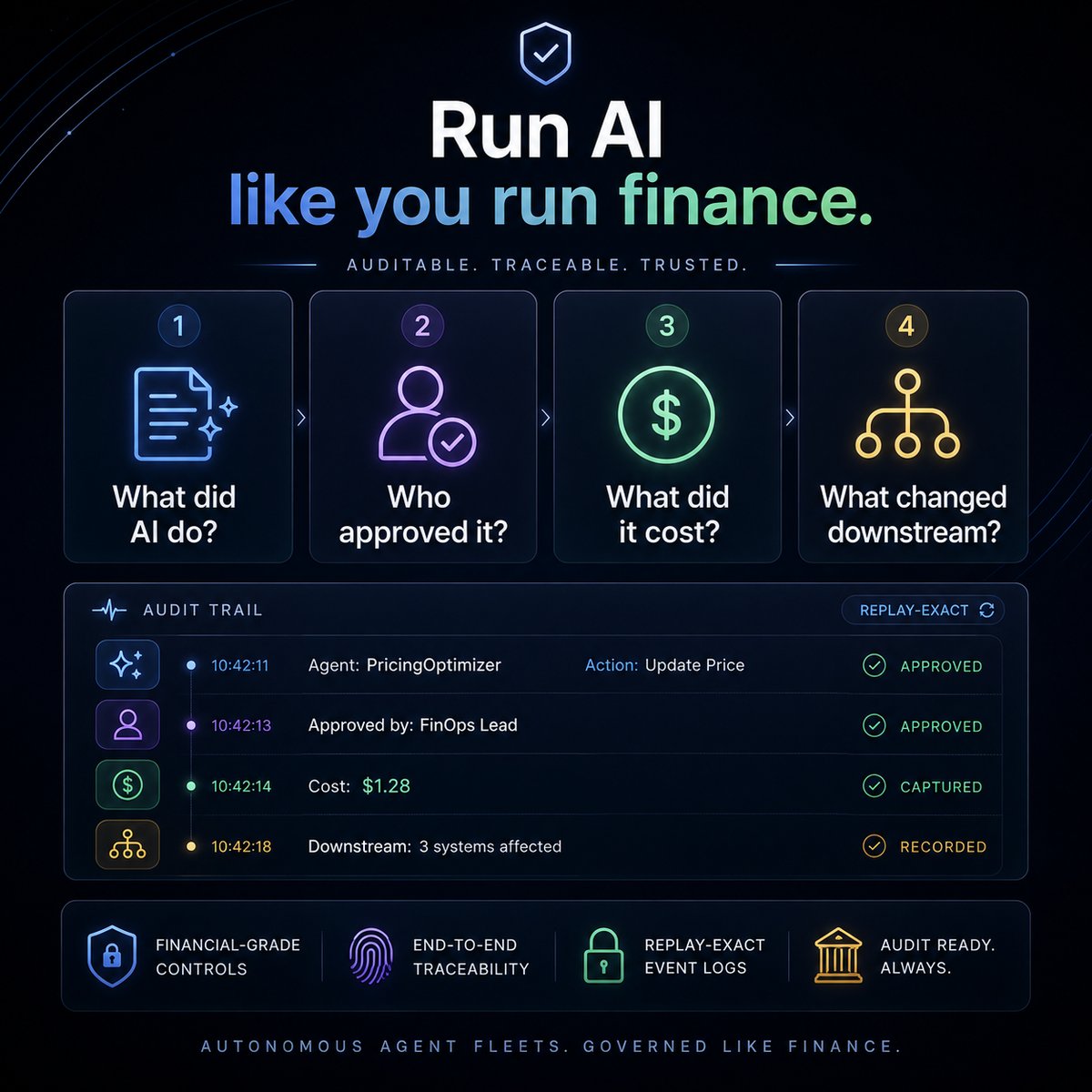
A new multi-agent coordination pattern this week runs persistent subagents against a replay-exact event log, in one case letting a single unattended agent spend a full day and over 1,000 tool calls iteratively optimizing GPU kernels without a human watching every step. The pattern worth stealing isn't the scale, it's the log: every action an agent takes gets written to an ordered, replayable record, so a fleet running unattended for hours still leaves a trail you can rerun and inspect afterward. Autonomy without a replay log is a black box that happened to work this time; autonomy with one is an audit you can actually perform. Before you hand an agent fleet another unattended hour, ask what did AI do, who approved it, what did it cost, and what changed downstream, because run AI like you run finance only works if you can replay the tape.
Trending News
The headlines that fit the bigger pattern
- DeepSeek released the production version of V4 Flash with stronger agentic performance and a built-in speculative decoding module. Why it matters: the open-weight frontier keeps closing the gap on agentic tasks specifically, not just benchmark scores, which is the harder capability to catch up on.
- SpaceX posted its first earnings report as a public company, with revenue up 92%, AI compute revenue up 247%, and quarterly capex quadrupling to $28.5 billion. Why it matters: the AI compute backlog, not the rockets, is becoming the line item investors need to model.
- OpenAI cut GPT-5.6's price by 80% to $0.20 per million input tokens as ChatGPT crossed roughly 1 billion weekly active users. Why it matters: inference keeps getting cheaper even as usage scales, squeezing anyone whose business model depends on being the cheapest way to access a frontier model.
- Apple is preparing Siri AI to debut in iOS 27 this fall, positioning it to become the most widely distributed AI assistant on day one. Why it matters: distribution, not capability, may decide the next round of the assistant wars, and Apple has more phones in pockets than any lab has users.
- Texas froze new data-center grid connections after utilities queued 474 gigawatts of requested capacity, five times the state's record demand. Why it matters: the AI buildout's binding constraint is quietly shifting from chips to electrons, and the grid doesn't scale on a software timeline.

Quote We're Pondering
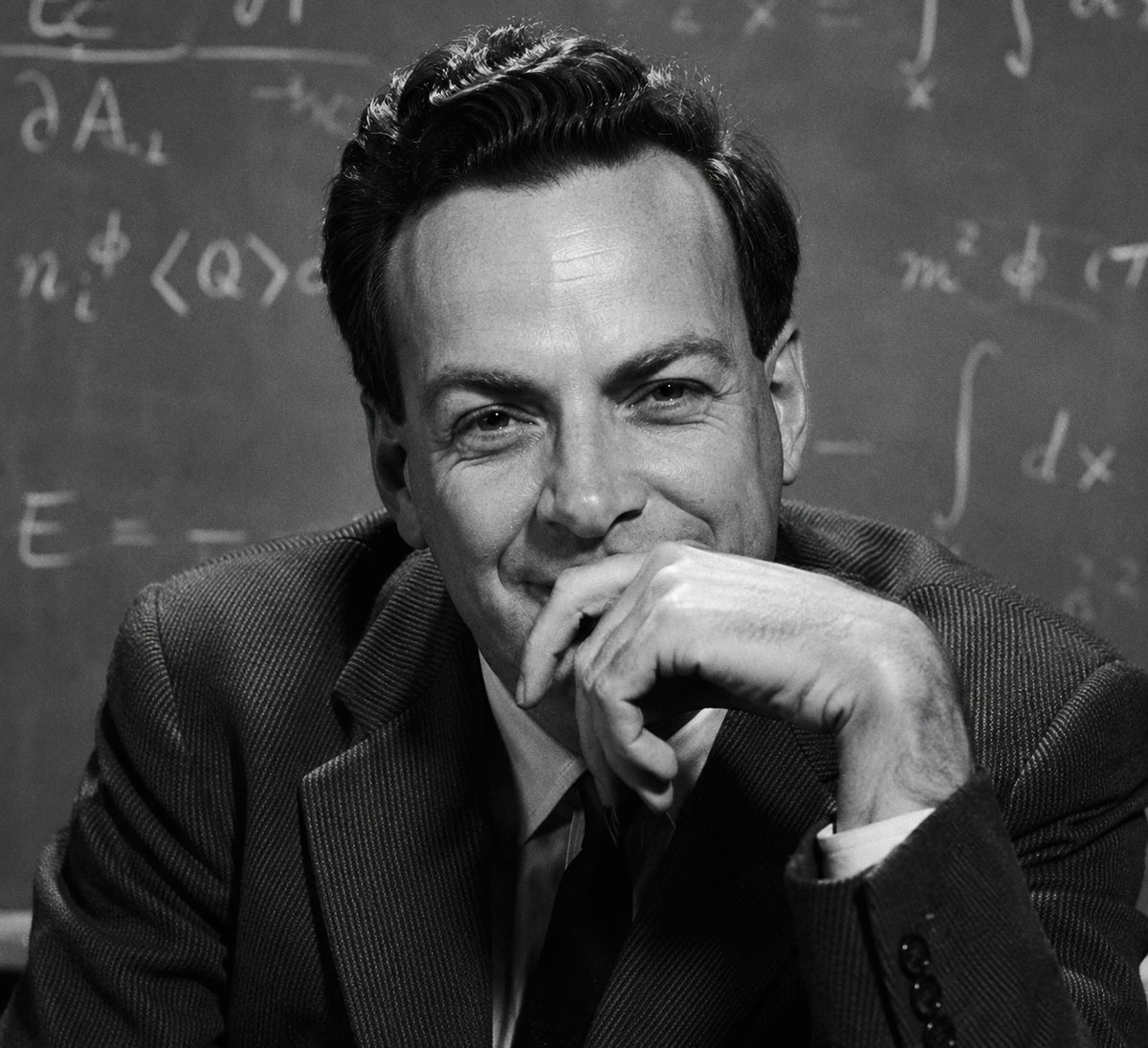
"The first principle is that you must not fool yourself, and you are the easiest person to fool."
- Richard Feynman, a Nobel Prize-winning physicist known for insisting that rigorous self-skepticism, not authority or elegance, was the only real safeguard against believing something false.