Signal Worth Noticing
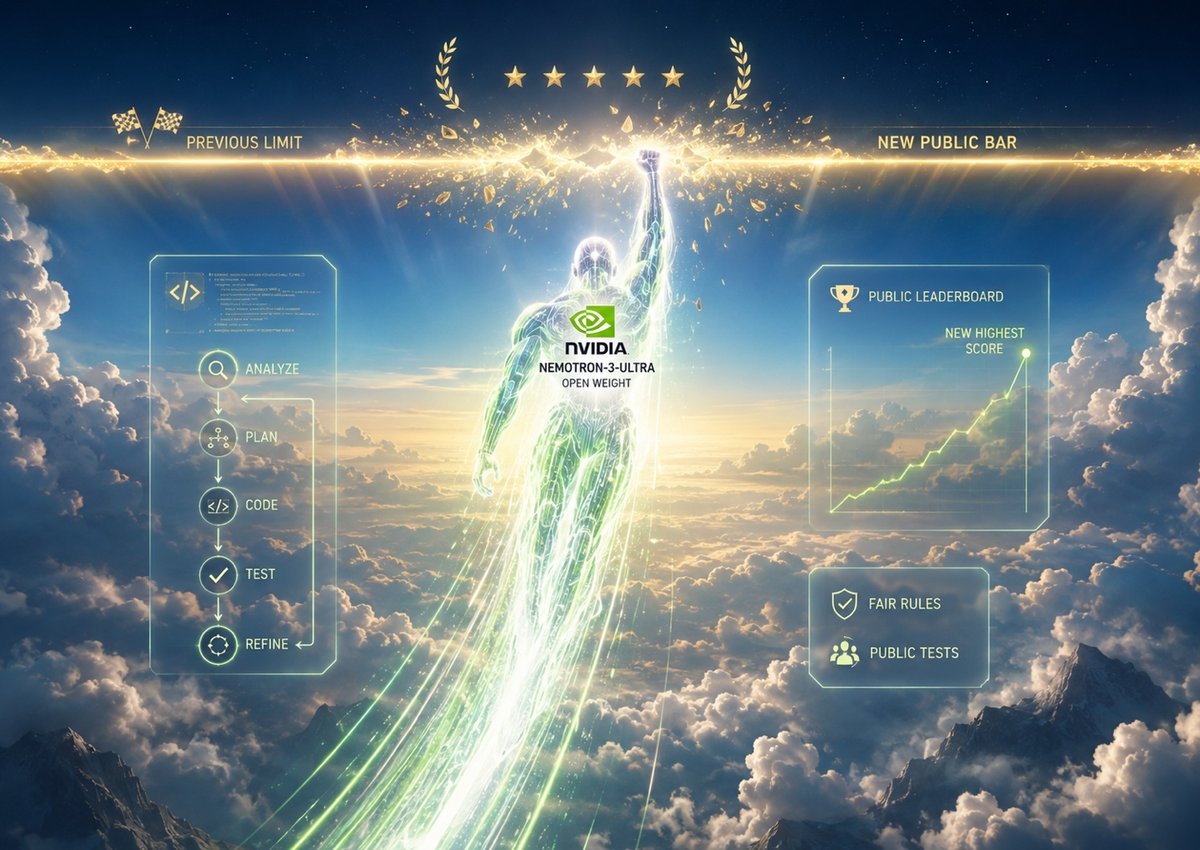
Nemotron cleared the bar no model had cleared
Nvidia's Nemotron-3-Ultra, a 550-billion-parameter open-weight model, scored 535.4 out of 600 at the 2026 International Olympiad in Informatics, clearing the gold medal threshold of 361 and beating the best human competitor's 498, under the same time limits, the same internet access, and the same submission rules every other contestant faced. The result didn't come from scale alone. It came from GenCorrect, a test-time loop that generates several candidate solutions, evaluates each against the problem's own constraints, and refines the survivors before anything gets submitted. Competitive programming was one of the last domains where "the model just isn't there yet" was still a safe thing to say about frontier capability. It no longer is. The ceiling didn't move gradually this year, it moved once, in public, against a judge everyone had already agreed on.
Framework We're Using
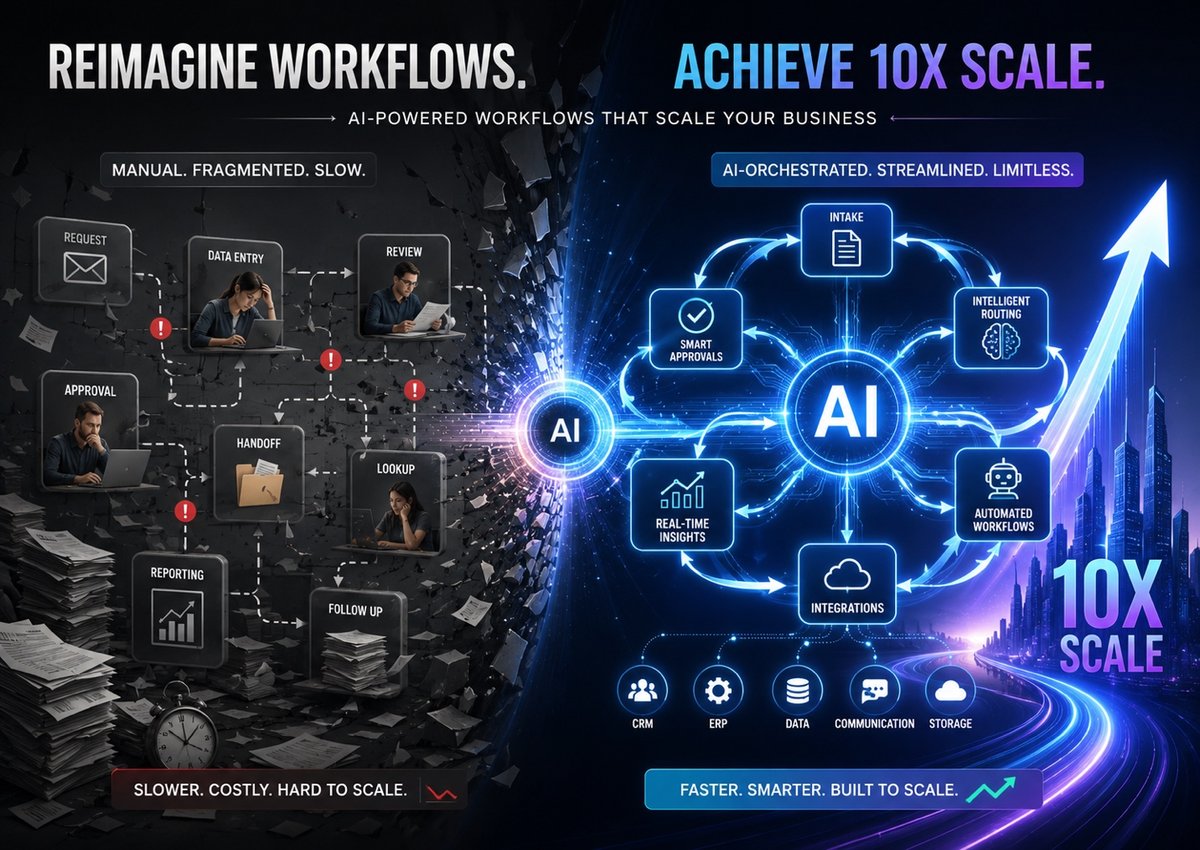
The Workflow Redesign Gap
McKinsey surveyed 1,993 organizations this year and found that 88% now use AI, while only 6% attribute more than 5% of EBIT to it. Salim Ismail's read, in a note to us this week, is that the winners aren't running a different model; they're running the same providers as everyone else, on a workflow they took apart first. High performers are more than three times as likely to treat AI as a redesign of the work rather than a feature bolted onto it, and workflow redesign has the strongest relationship with EBIT impact in McKinsey's entire dataset. Before we touch a client's workflow now, we ask the question that gap makes unavoidable: if we were building this today with AI available from day one, would we build it this way at all? You can't put a 10x technology inside an org chart built for incremental improvement and expect a 10x result.
AIBES Tech Of The Week
One model, two access envelopes
Google shipped Gemini 3.8 Flash and a locked-down sibling, Flash Cyber, this week: one core model wrapped in two different access envelopes rather than two separate models trained for two trust tiers. The pattern is the reusable part. Gate what a caller can retrieve, execute, or see by identity and policy, not by which weights they're hitting, and a support agent and a finance controller can call the same reasoning layer and get answers scoped to what their role actually clears. Maintaining parallel models per trust tier is slower to patch and harder to audit consistently than maintaining one model behind better gates. What did AI do, who approved it, what did it cost, and what changed downstream still have to resolve on every side of that gate. Run AI like you run finance.
Trending News
The headlines that fit the bigger pattern
- OpenAI's advertising business hit a $1 billion annualized run rate less than 200 days after launch, but the pace still trails the $2.4 billion the company projected for the year. Why it matters: Monetizing chat interfaces works, just not yet at the speed anyone priced into the roadmap.
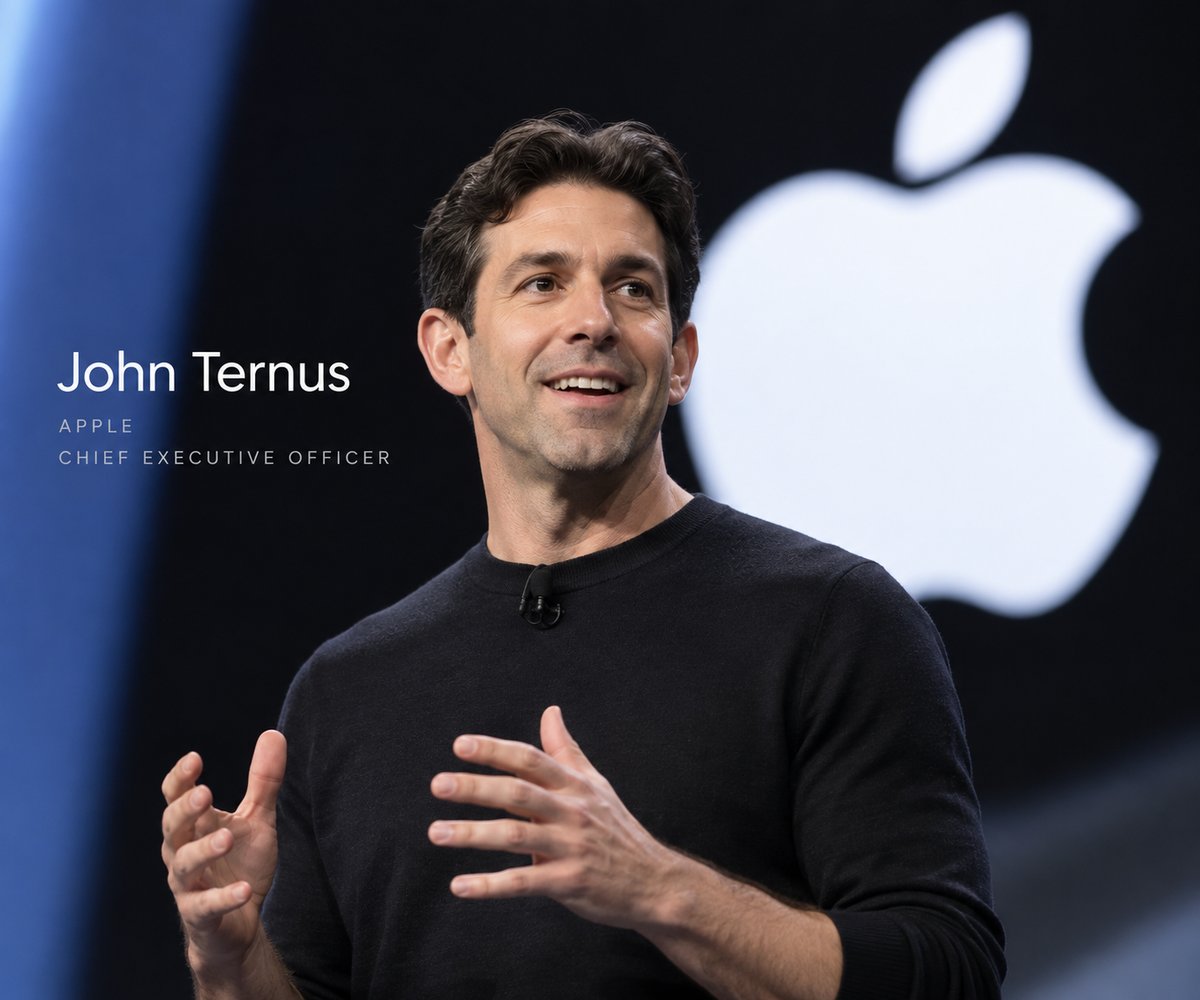
- Apple named John Ternus CEO on September 1, ending Tim Cook's fifteen-year run as Cook moves into an executive chairman role. Why it matters: The handoff lands in the middle of Apple's slower AI buildout and its ongoing suit over alleged trade-secret theft tied to OpenAI, so the new CEO inherits both problems on day one.
- AISLE's autonomous vulnerability-finding system produced 29 reports against the curl codebase, and curl's own maintainers accepted six as real CVEs. Why it matters: Every accepted finding came from a maintainer who didn't have to take AI's word for it, which is the part of "AI finds bugs" that actually scales.
- The Air Force's September 1 deadline for contractors to purge Anthropic's Claude from Defense Department work arrived this week, six months into a dispute over contract terms the Pentagon wants and Anthropic won't sign. Why it matters: A vendor a federal buyer can't get contract language from is a vendor that buyer can't fully rely on, whatever the model scores on a benchmark.
- Anthropic signed a fourth mega cloud deal this year, $35 billion with Nvidia-backed Lambda, on top of prior agreements with Nscale, Fluidstack, and SpaceX totaling well over $100 billion. Why it matters: Locking in that much committed compute is a bet that demand keeps compounding, and a bill that comes due either way.

Quote We're Pondering
"The chess battle between man and machine only serves to show the innate strength of the human mind, augmented by the tools it creates."
- Garry Kasparov, the world chess champion whose 1997 loss to IBM's Deep Blue made him one of the first public figures to argue for human-machine collaboration over rivalry.