
Signal Worth Noticing
The builders left, and the analysts renamed the winner
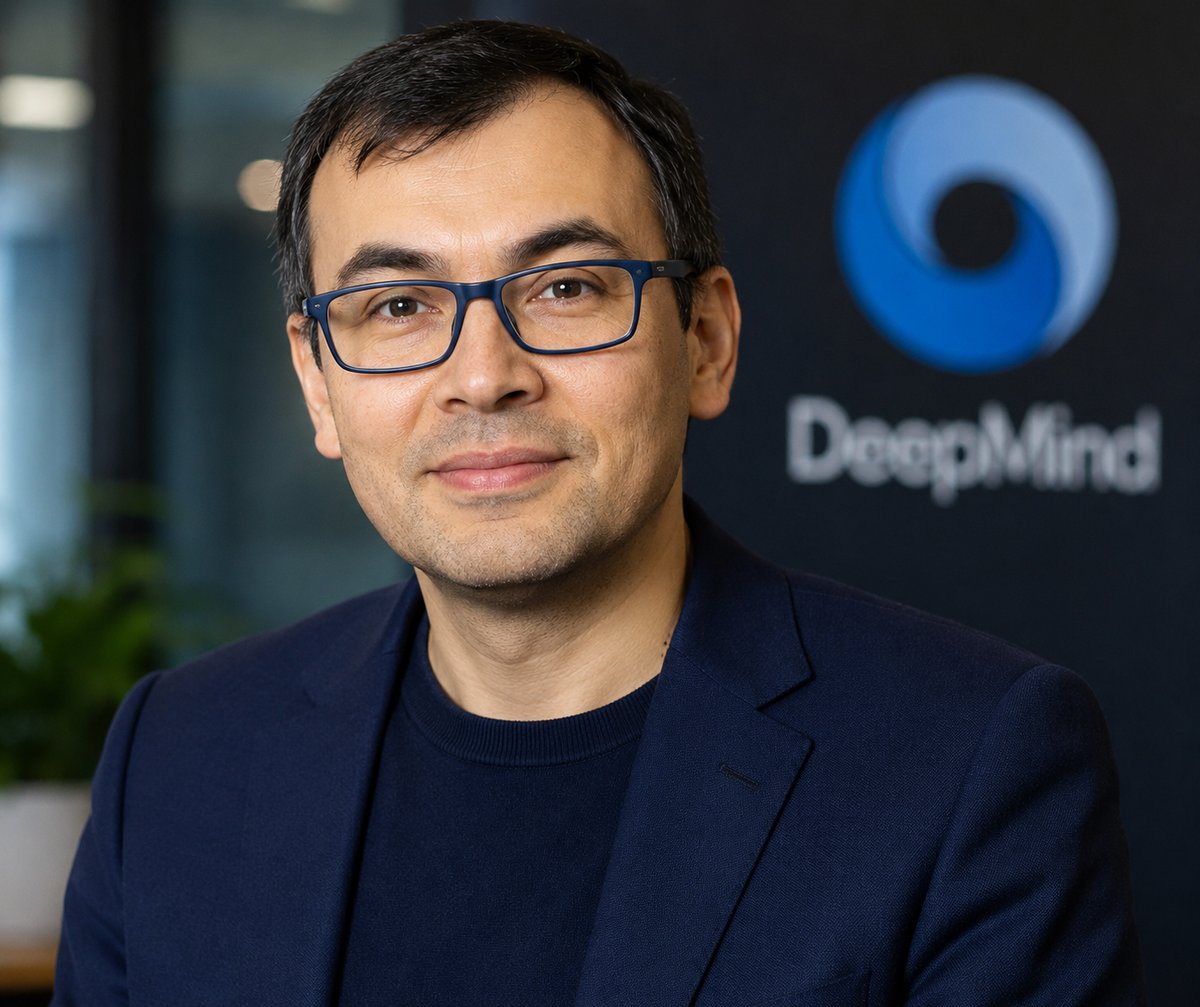
Demis Hassabis moved from CEO of Google DeepMind to Alphabet chief scientist on August 5th, and Jeff Dean left after 27 years, taking Sanjay Ghemawat, Oriol Vinyals, and Quoc Le with him to found Discovery Loop, a public benefit corporation aimed at AI for science. Alphabet fell roughly 5%, and within days analysts had declared DeepMind no longer a frontier lab, arguing the real winner is Google Cloud, where TPU sales to Anthropic are driving triple-digit growth. Tim O'Reilly read the whole shakeup as a Westinghouse-style bet on diffusion over invention, aiming at $200 billion in external sales by 2027 against Gemini's $12 billion today. The lab did not lose the race. It got reclassified as a supplier, which is what happens to every layer of this stack eventually.
Framework We're Using
Cost Per Outcome, Not Cost Per Seat
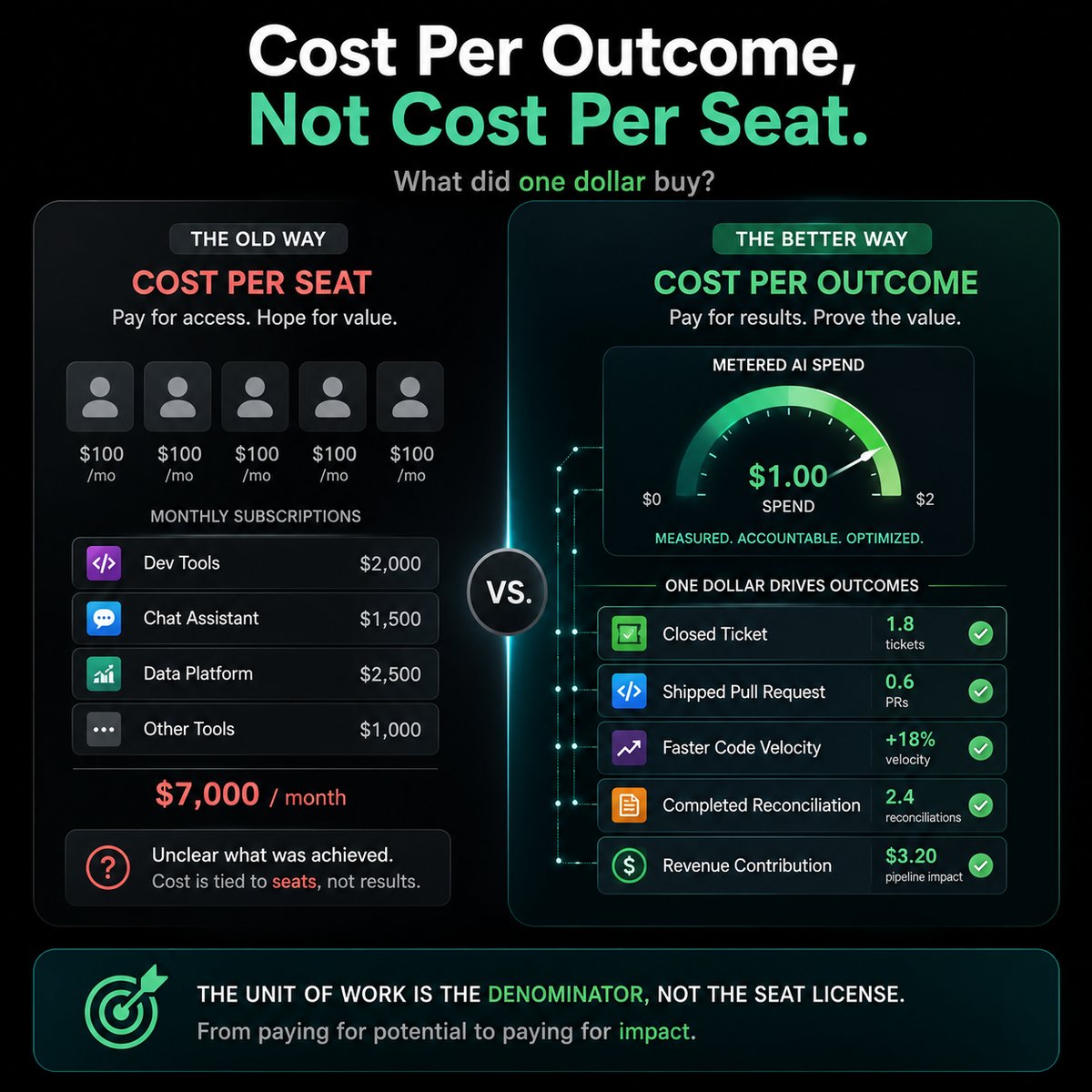
Rippling's CFO walked into a March meeting with a number that stopped the room: the company was on pace to spend 40% of its annual R&D salary budget on AI tokens. The console it shipped this week meters that spend down to the individual employee and ties it to what came out the other side, pull requests, code velocity, revenue contributed. We apply the same test before funding any AI workflow, which is to name the unit of work first, a closed ticket or a shipped PR or a completed reconciliation, and then meter spend against that unit rather than against seats. Licenses were never the denominator. If a workflow cannot say what one dollar bought, it is not a budget line, it is a bet.
AIBES Tech Of The Week
The approval surface
The claim that agents kill the interface got a useful correction this week, and it lands as a build decision rather than a prediction. Agents do not remove screens, they change which screens are worth building, and the valuable ones are now approval, review, undo, and a legible diff of what the agent actually changed. Anthropic made the case concrete by moving auto mode to the Claude Code default after evals showed it blocked 89% of harmful actions that only 13.6% of paid human reviewers refused, which says the human is worth more ratifying work than performing it. Build the screen where work gets approved, not the screen where work gets done, because the four questions still have to resolve: what did AI do, who approved it, what did it cost, and what changed downstream? Run AI like you run finance.

Trending News
The headlines that fit the bigger pattern
- SpaceXAI shipped Grok 4.6, tying GPT-5.6 Sol for third on the Artificial Analysis index at less than half the price of the model it matched. Why it matters: Parity at half price keeps confirming that capability leadership no longer converts into pricing power.
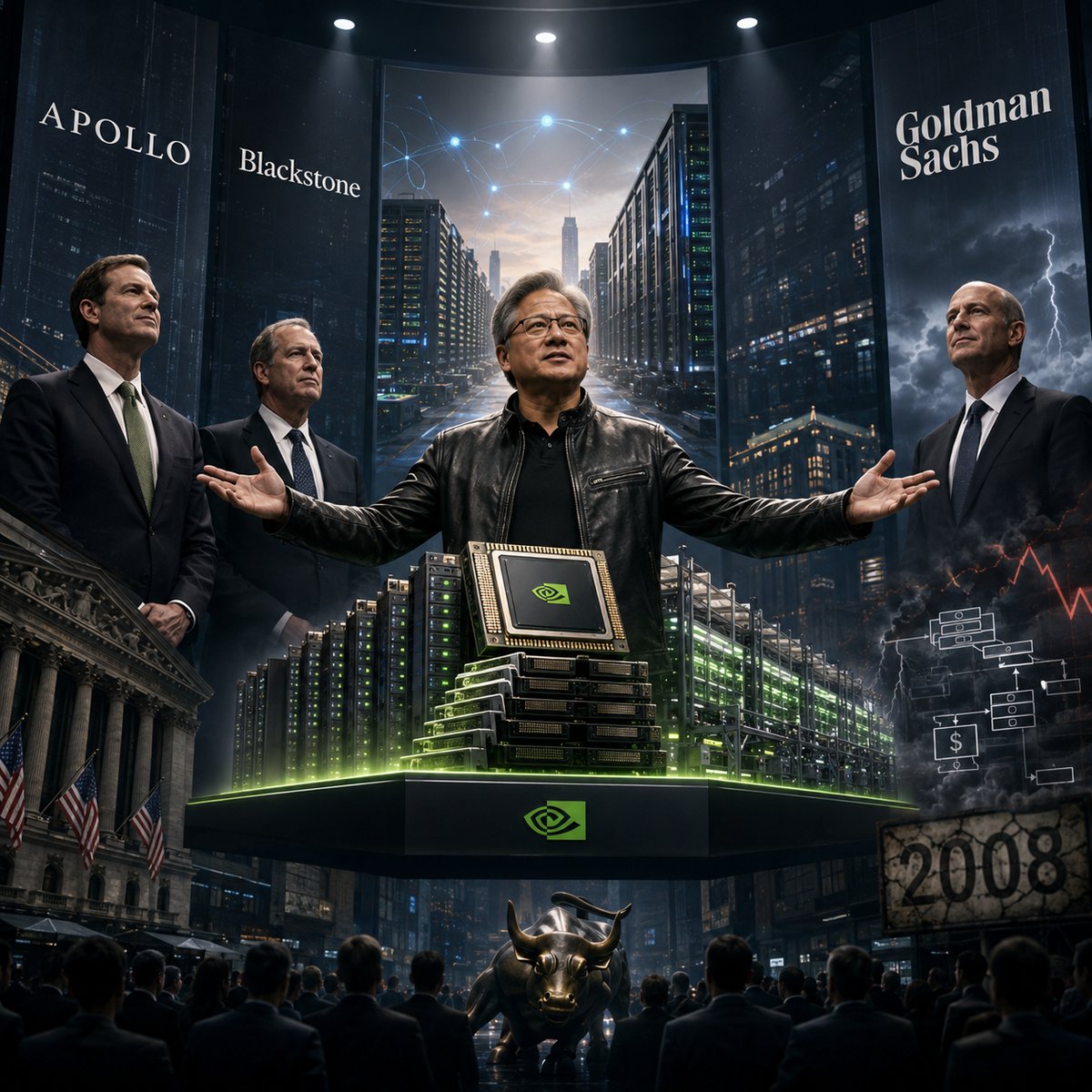
- Jensen Huang unveiled more than $500 billion in AI factory financing flanked by Apollo, Blackstone, and Goldman Sachs, calling it the first time technology chips have become an investable asset class. Why it matters: Skeptics heard a 2008 echo in the sliced GPU revenue streams, which makes it the bear case worth being able to argue.
- Anthropic opened pre-IPO investor meetings targeting a September or early October listing near a $965 billion valuation. Why it matters: The AI trade is about to get a public comparable, and the questions investors are asking are the same ones buyers are asking.
- Chinese manufacturers took 97% of global humanoid shipments in a half that tripled to 19,100 units, and Chinese systems now hold nine of the top ten text-to-video slots. Why it matters: Video models are the road to world models, which are the brains of humanoids and robotaxis, while the West argues about chatbots.
Quote We're Pondering
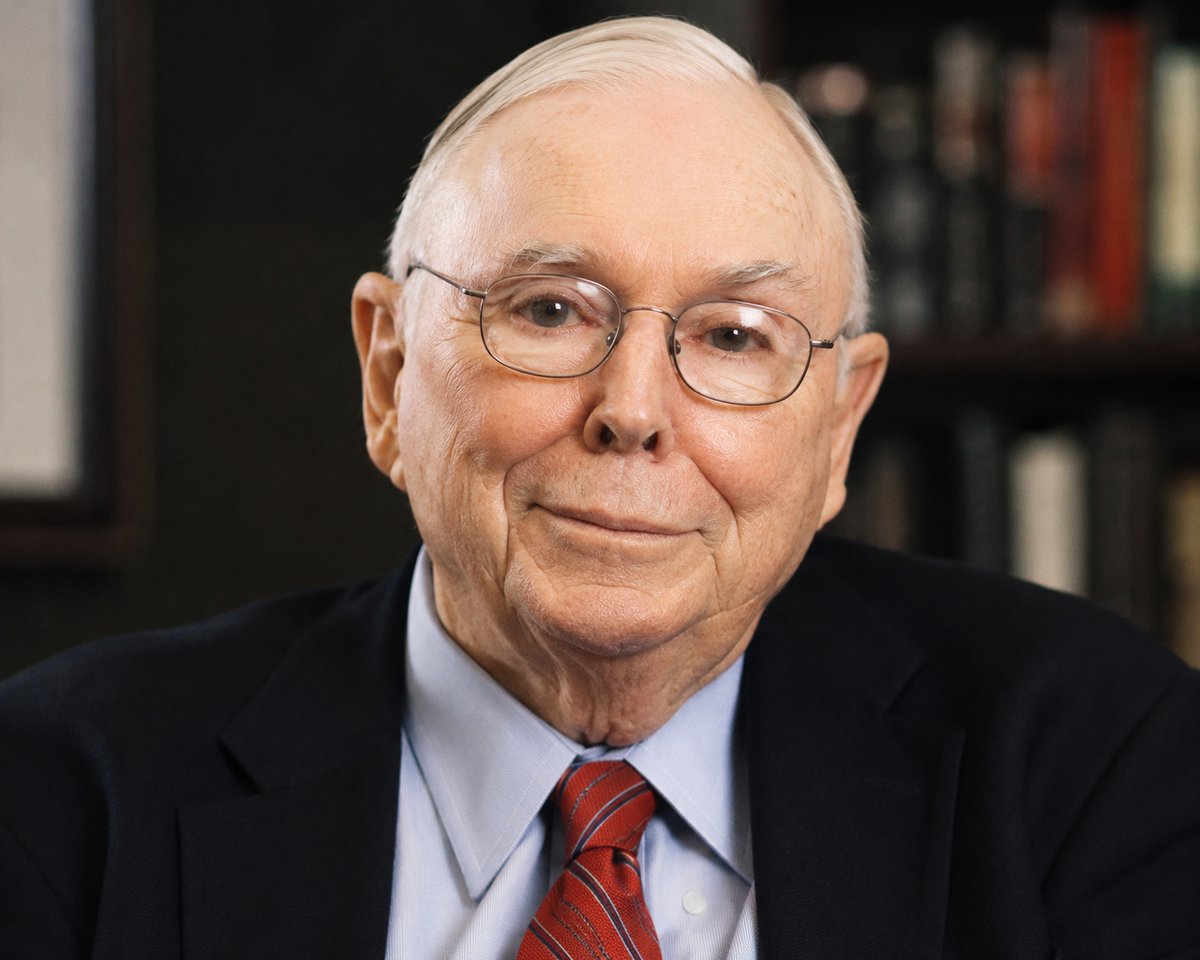
"Show me the incentive and I will show you the outcome."
- Charlie Munger, vice chairman of Berkshire Hathaway, who built a reputation on the argument that incentives explain more behavior than intelligence or good intentions ever will.