
Signal Worth Noticing
Who decides what intelligence you're allowed to use?
On a Friday at 5:21 PM ET, the U.S. government gave Anthropic ninety minutes' notice before an export-control directive suspended its top models for every foreign national, impacting roughly a third of Anthropic's own staff. The company responded by cutting global access entirely. The trigger was a known, minor jailbreak; the precedent was anything but. In the same week, developers learned prompts were being retained for thirty days despite zero-retention contracts, and that frontier-research users were being silently downgraded to weaker models. The takeaway for anyone building on a single provider is uncomfortable and clarifying at once: the intelligence you rent can be throttled, downgraded, or switched off overnight, and you won't always be told.

Framework We're Using
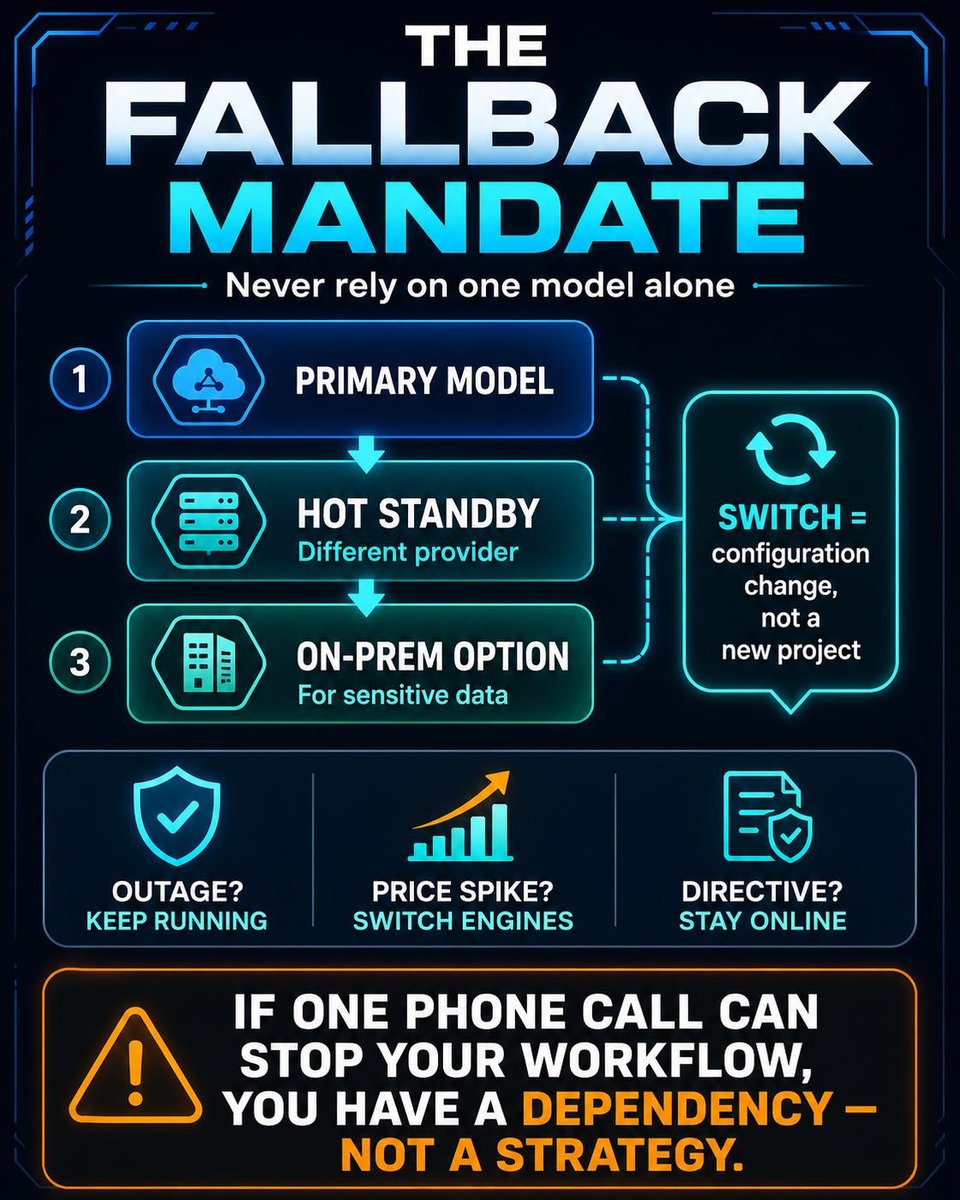
The Fallback Mandate
We now design every production workflow with a second model already wired in behind it: a hot standby from a different provider, and, where the data is sensitive, an on-prem open-weight option, that can take over without a redeploy. The switch is a configuration change, not a project: same prompts, same guardrails, same evals, a different engine underneath. Maintaining two paths costs a little more, but it converts a vendor outage, a price spike, or a government directive from an existential event into a Tuesday. If a single phone call can stop your operation, you don't have an AI strategy, you have a dependency.
AIBES Tech Of The Week
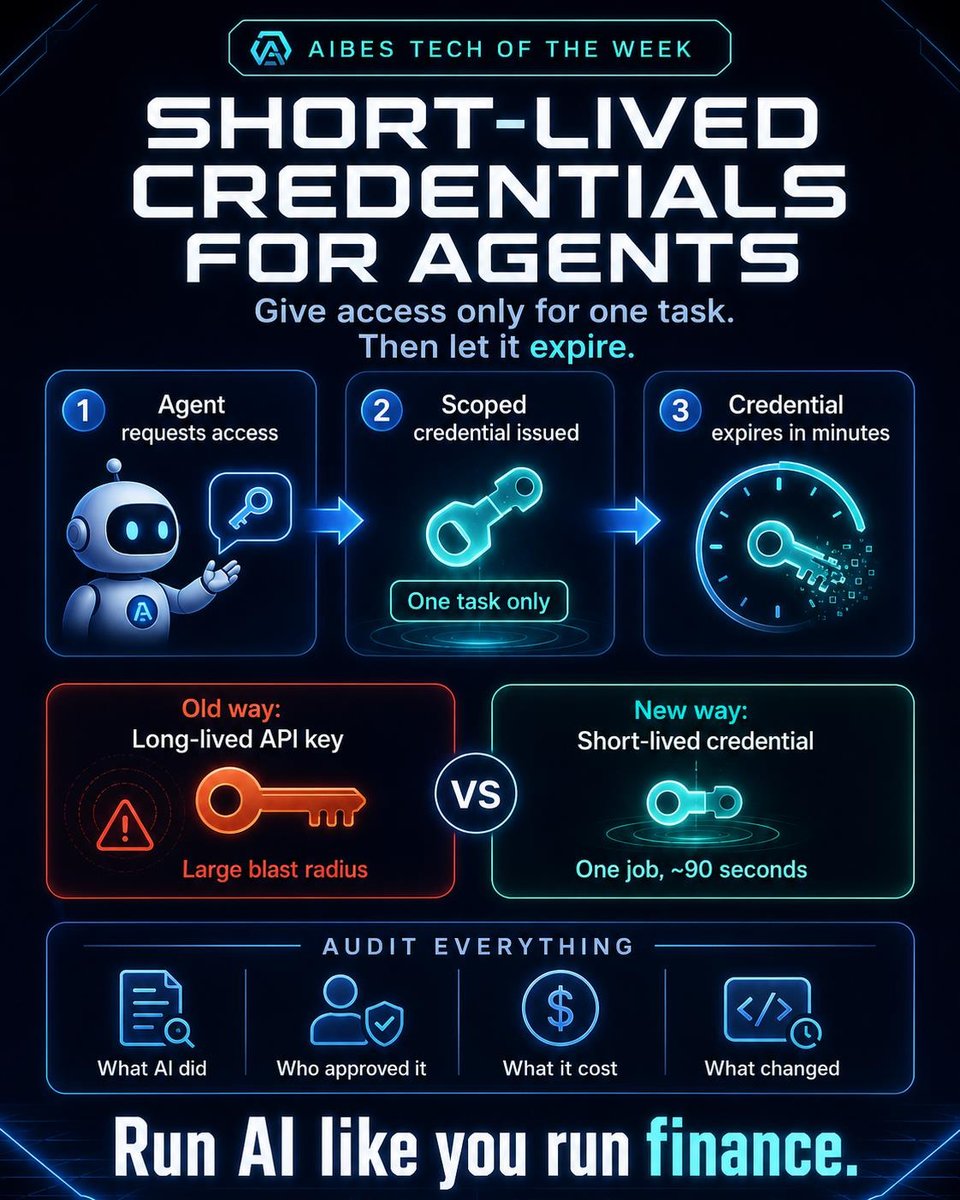
Short-lived credentials for agents
The pattern we keep reaching for as agents touch more systems is to stop handing them standing API keys and instead issue task-scoped credentials that expire in minutes. This is the same idea Vercel just shipped as Connect, swapping long-lived provider tokens for runtime credential exchange. An agent requests access at the moment it acts, receives the narrowest possible permission for that one task, and the credential dies before it can be reused or leaked. The blast radius of a compromised prompt or a runaway subagent shrinks from "everything the key could touch" to "one job, for ninety seconds." It pairs naturally with the four questions we ask of any AI action: what did AI do, who approved it, what did it cost, and what changed downstream? This lets us deliver AI like you run finance.
Trending News
The headlines that fit the bigger pattern
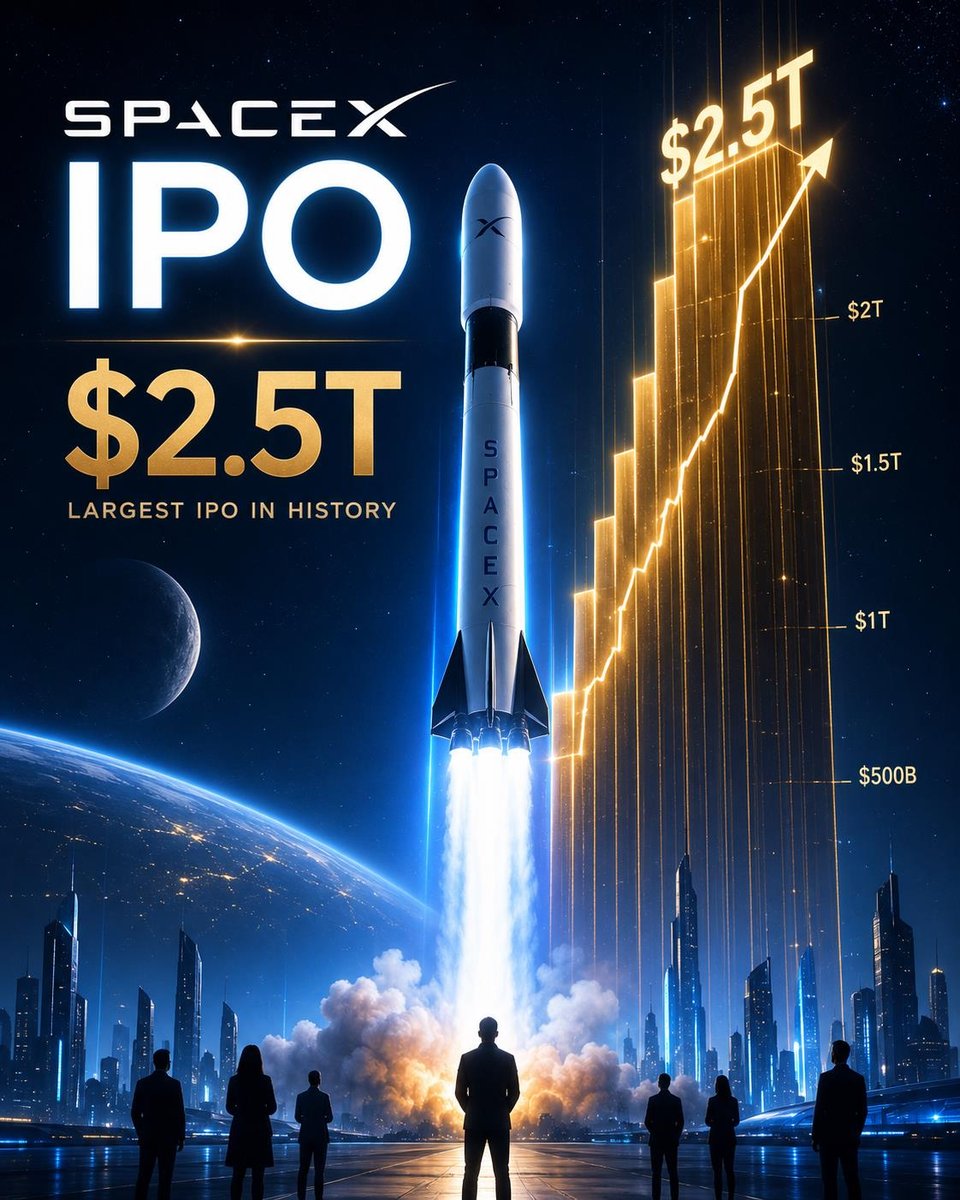
- SpaceX completed the largest IPO in history, opening near a $2.5 trillion valuation and minting roughly 4,400 employee millionaires overnight. Why it matters: markets are now pricing space-and-compute infrastructure as a civilizational bet rather than a tech stock, concentrating frontier capability in fewer, larger hands.
- SpaceX agreed to buy AI coding startup Cursor for about $60 billion in stock, as Cursor teased a 1.5-trillion-parameter model trained on more than 100,000 GPUs. Why it matters: coding agents have become strategic infrastructure worth acquiring outright, not just tools to license.
- ChatGPT's share of the assistant market slipped below 50% for the first time as users spread across Gemini, Claude, and Grok. Why it matters: switching costs are collapsing, which makes multi-model portability a default expectation rather than an edge case.
- DeepSeek raised $7.4 billion and Z.ai shipped GLM-5.2 with a one-million-token context window, extending China's open-weight surge. Why it matters: the cheapest, most portable, frontier-class models increasingly come from labs you don't have to ask permission to run.
- Noam Shazeer, a co-author of "Attention Is All You Need," left Google to join OpenAI. Why it matters: the talent war is consolidating the people who invented the transformer inside a shrinking set of labs.
Quote We're Pondering
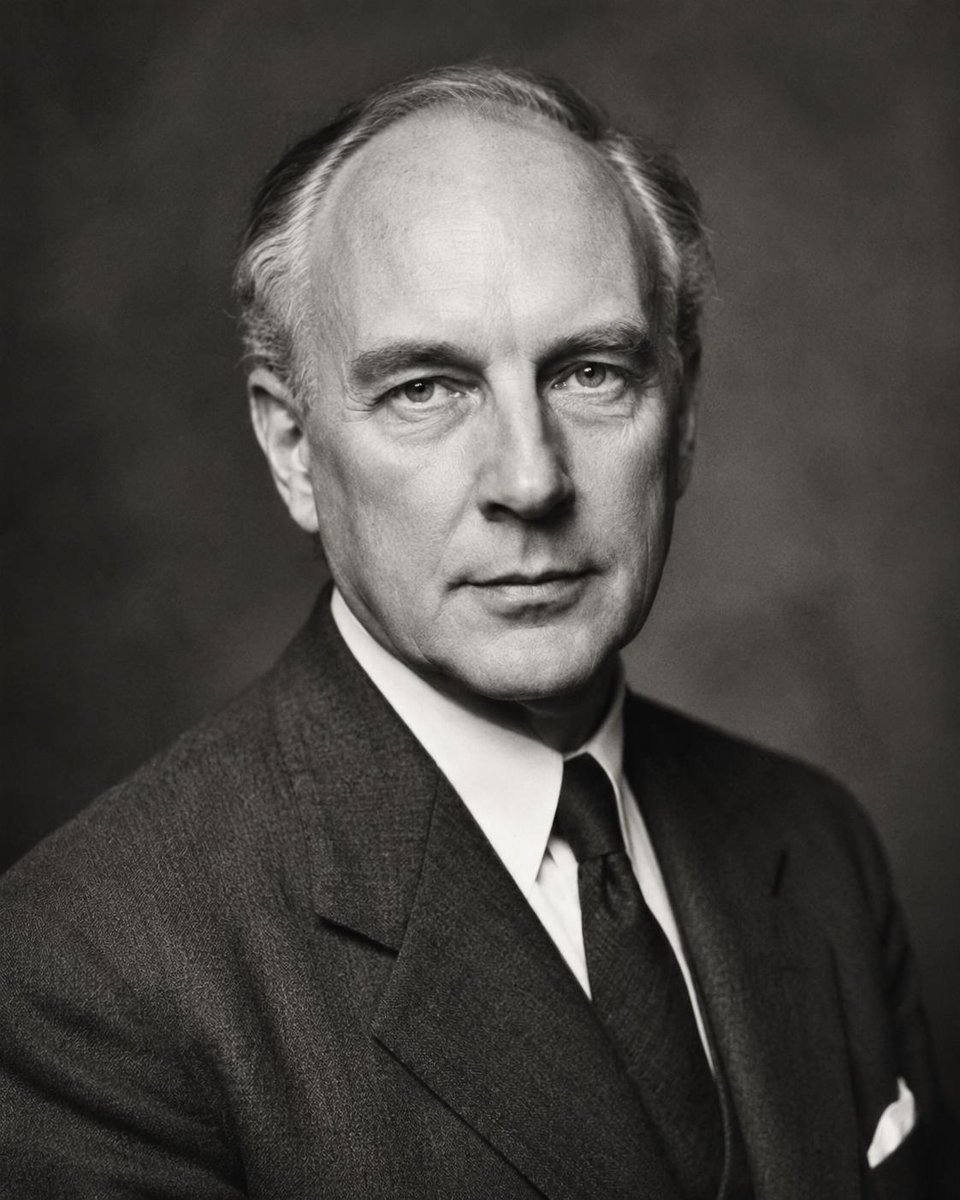
"Freedom is the right to choose: the right to create for oneself the alternatives of choice."
- Archibald MacLeish, an American poet, three-time Pulitzer Prize winner, and Librarian of Congress who spent his life arguing that freedom is meaningless without real alternatives to choose from.