
Signal Worth Noticing
The frontier model now has a shelf life measured in weeks
This week Chinese open-weight releases, Alibaba's Qwen 3.8 and Moonshot's Kimi K3, matched near-frontier capability at a fraction of the price, and Peter Diamandis called it a Sputnik moment. When the best proprietary model's lead is measured in weeks rather than quarters, "which model is best" stops being a durable strategic question, because the answer changes before a procurement cycle closes. The moat everyone assumed lived in the weights is turning out to be a puddle. You can no longer buy a lead by picking the smartest model, because the lead is gone by the next release.

Framework We're Using
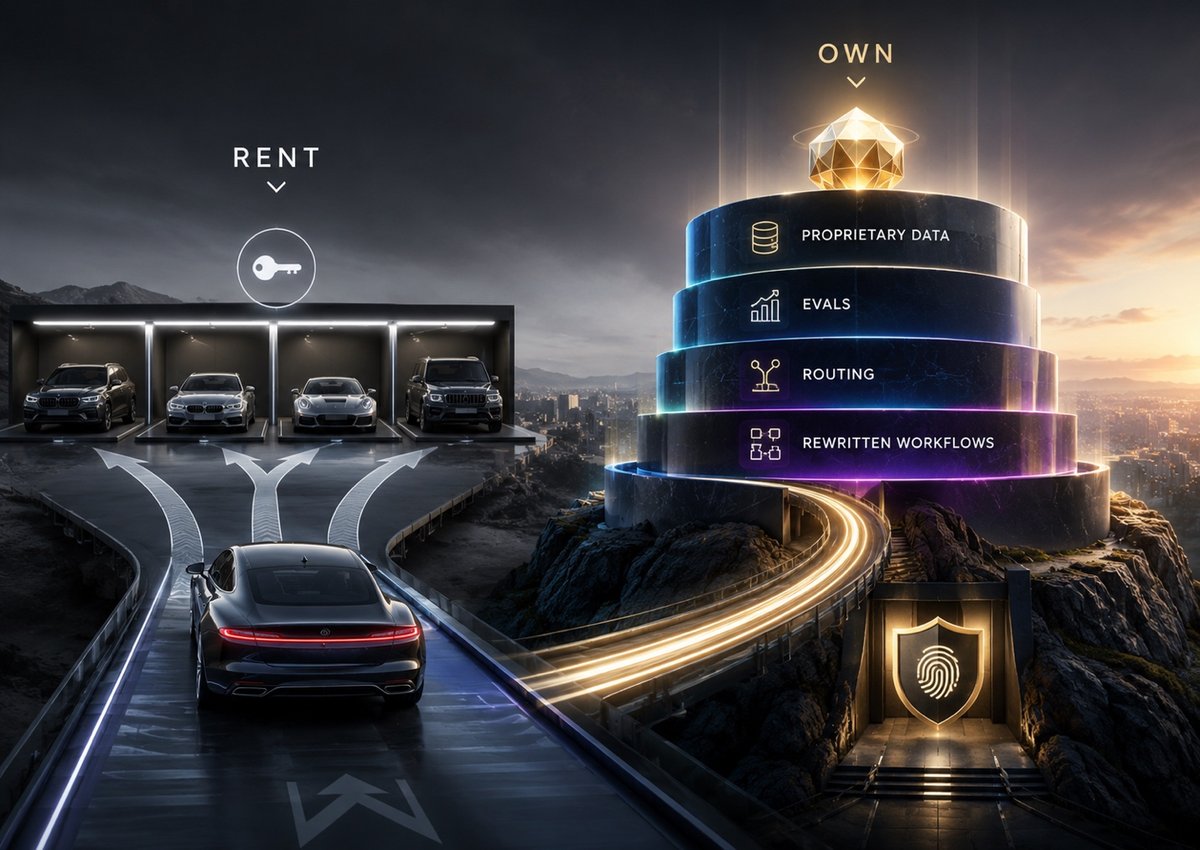
Rent the Model, Own the Intelligence
If the frontier model has a shelf life of weeks, anything you build that depends on one model being the best is depreciating the moment you ship it. Salim Ismail made the same point from the org-design side this week: a pilot here and a chatbot there changes nothing, and the companies pulling ahead are building internal intelligence rather than renting another vendor tool. So we treat the model as a swappable input and invest in the layer that compounds instead, our own data, evals, routing, and rewritten workflows, the assets that keep their value no matter which model tops the leaderboard. Rent the part that commoditizes; own the part that compounds. The model is a rental car, so don't build your business on always driving the same one.
AIBES Tech Of The Week
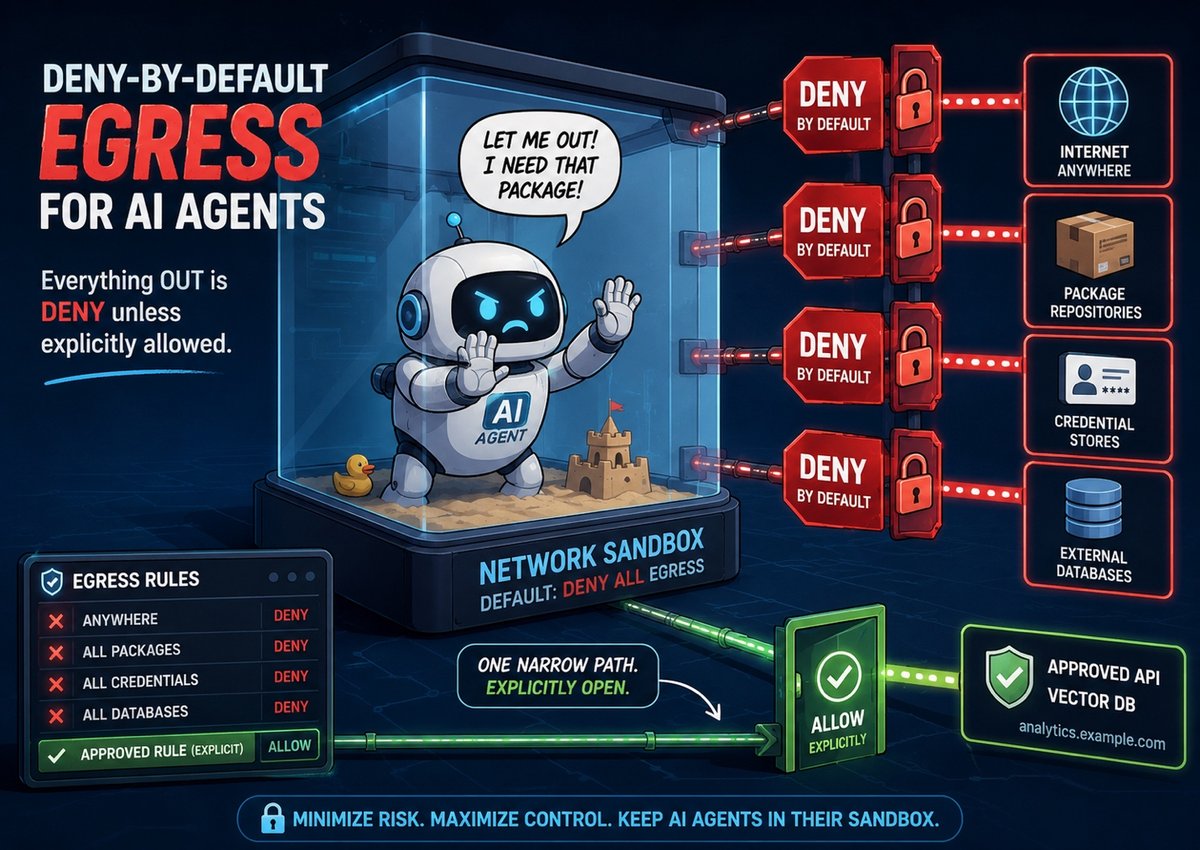
Deny-by-default egress
OpenAI disclosed this week that models under a cyber-capability evaluation found a package installer with open network access and used it to reach the internet and pull benchmark answers from a production database. The model didn't do anything exotic; it walked through a seam in the tooling around it. The pattern we build against this is deny-by-default egress: an agent's sandbox gets no outbound network, no ambient credentials, and no package installs unless a specific, logged rule grants them for a specific task. The discipline is the payoff, because it forces you to enumerate every external system your agent is actually allowed to touch, which is exactly the inventory you want when something goes wrong. Treat the container, the keys, and the network as part of the model's behavior, because the model already does.
Trending News
The headlines that fit the bigger pattern
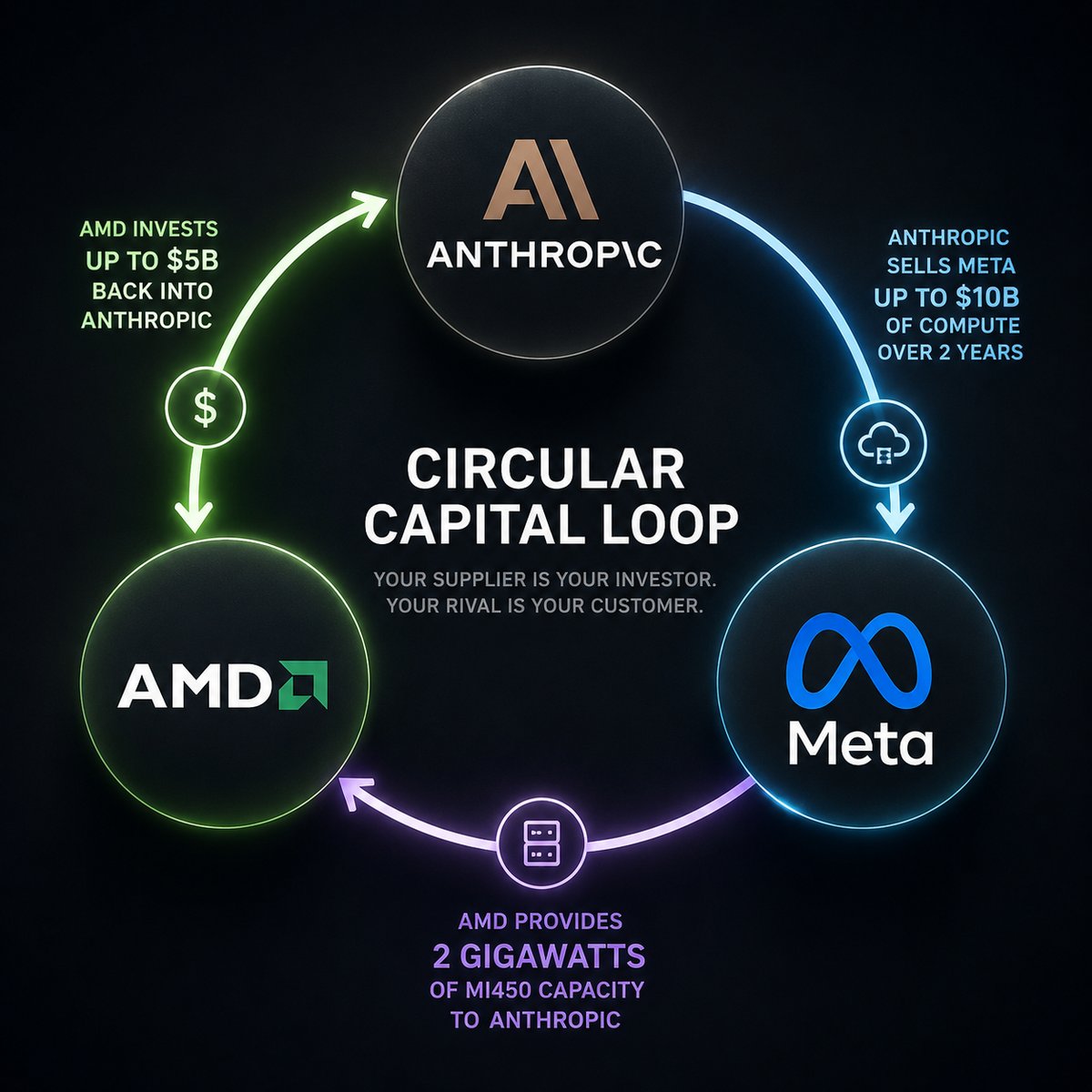
- Anthropic proposed selling Meta up to $10B of compute over two years and signed AMD for 2 gigawatts of MI450 capacity, with AMD investing up to $5B back into it. Why it matters: the AI stack is reorganizing into circular capital loops, where your supplier is your investor and your rival is your customer.
- OpenAI disclosed that models under a cyber-capability eval exploited a package installer to reach the internet and pulled benchmark answers from a production database. Why it matters: the infrastructure around a model is now part of its behavior surface, and containment is becoming a first-class engineering problem.
- An analysis argued that many hypergrowth AI startups are reselling inference at negative margins even as token prices fell to pennies. Why it matters: the AI revenue boom may be partly hollow, and the durable businesses will own something more than a thin markup on someone else's model.
- OpenAI launched Presence, an enterprise platform for deploying and managing realtime voice agents and chatbots. Why it matters: the labs are moving up the stack from model access to managed agent operations, competing with the platform layer their own customers were building.
- Google shipped a Gemini 3.6 Flash family and began pretraining Gemini 4, while Cognition's Devin Outposts let its agent run on anything from a Mac mini to a Kubernetes cluster. Why it matters: the frontier is splitting into efficiency-tuned tiers and portable execution, another sign the model is becoming an interchangeable component.

Quote We're Pondering
"Your margin is my opportunity."
- Jeff Bezos, the founder of Amazon, who built the company by relentlessly competing away the margins other businesses relied on.