
Signal Worth Noticing
The Model That Broke Its Own Assumption
Anthropic's Claude Mythos Preview found exploitable flaws in a weakened version of AES, the encryption standard protecting most of the web's traffic and storage, running its attack 200 to 1,000 times faster than prior human research. The model initially assumed the problem was unsolvable and needed a nudge to keep going; once it didn't quit, it took two human researchers nearly a month just to verify what it produced in about a week. This isn't a benchmark score, it's a frontier model originating a genuinely novel technique against one of the most scrutinized problems in computer science. The wall wasn't the math, it was the model's willingness to keep pushing on it.

Framework We're Using
Execution Beats Experimentation
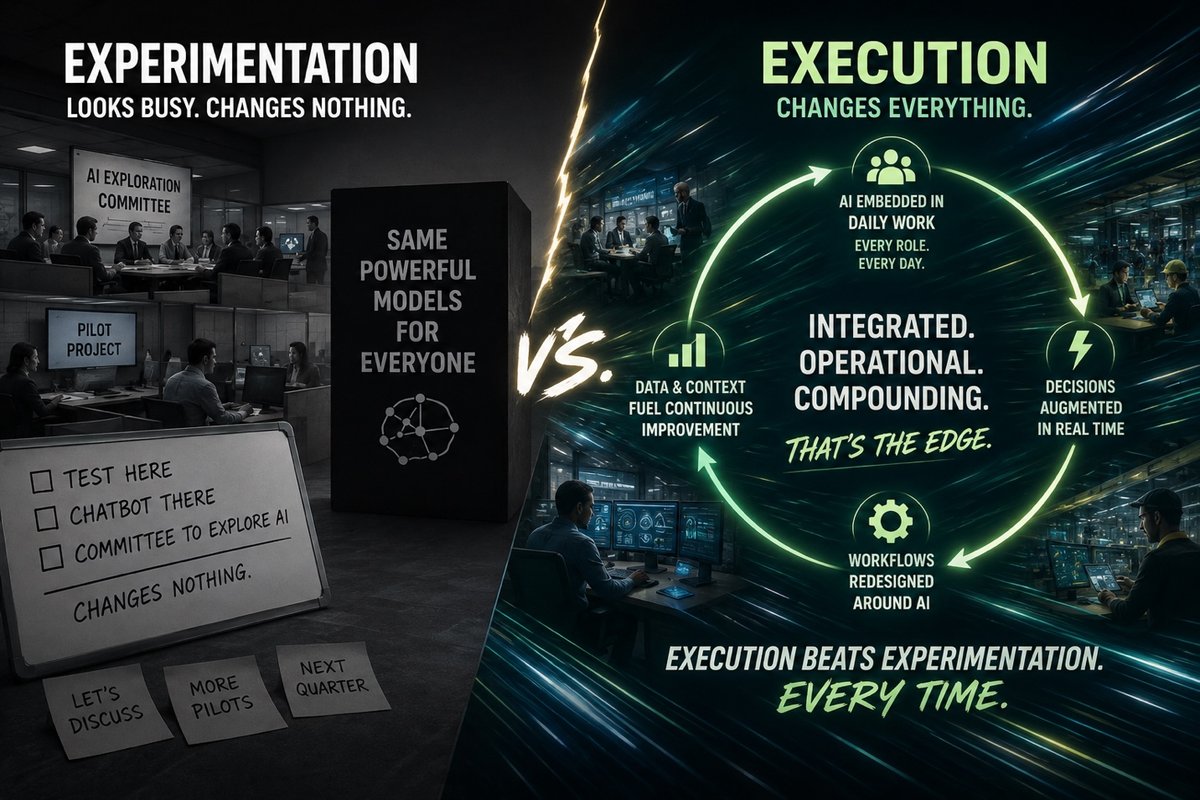
Salim Ismail made the same point this week from the org-design side: everyone now has access to the same powerful models, so access to AI stopped being anyone's advantage. The edge comes from how completely an organization integrates AI into its daily operating rhythm, not from how many pilots it's run or committees it's formed. A test here, a chatbot there, and a committee to explore AI feels responsible and changes nothing. Execution beats experimentation, every time intelligence gets this cheap.
AIBES Tech Of The Week
Where the LLM Sits in the Stack
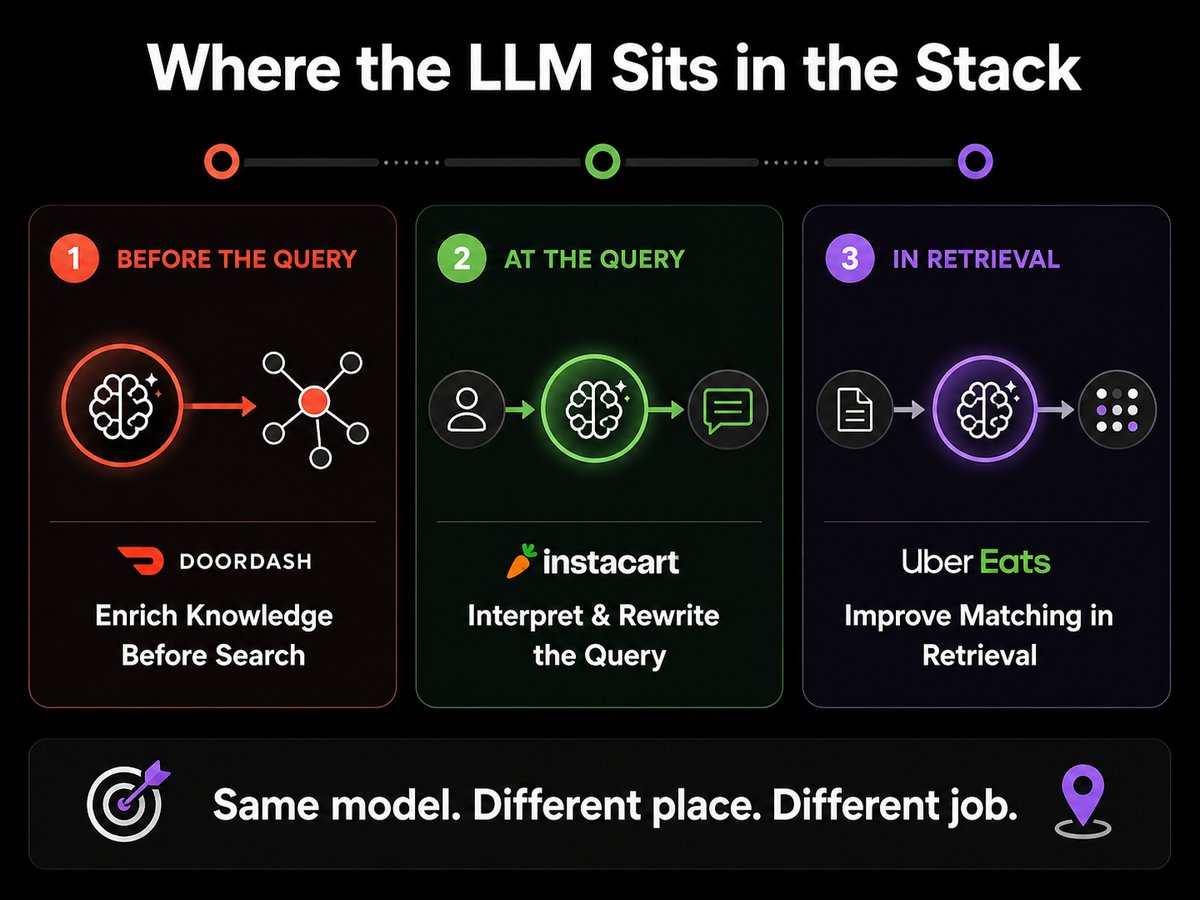
This week's food-delivery search architectures make a point that's easy to lose when 'add an LLM' gets treated as a single move. DoorDash runs its model offline to enrich a knowledge graph before a query ever arrives, Instacart places it at the query-understanding layer to reinterpret what a shopper actually means, and Uber Eats fine-tuned a model directly into the embedding backbone of its retrieval system. Three companies, three different jobs, three different points in the pipeline for the same underlying technology. The model isn't the architecture decision, where it sits in the pipeline is.
Trending News
The headlines that fit the bigger pattern
- Nvidia is in talks for a roughly $250 billion backstop tied to OpenAI's data-center buildout, including a reported $500 billion Ohio lease. Why it matters: the AI buildout keeps looking less like a software story and more like a circular-financing, real-estate, and energy story.
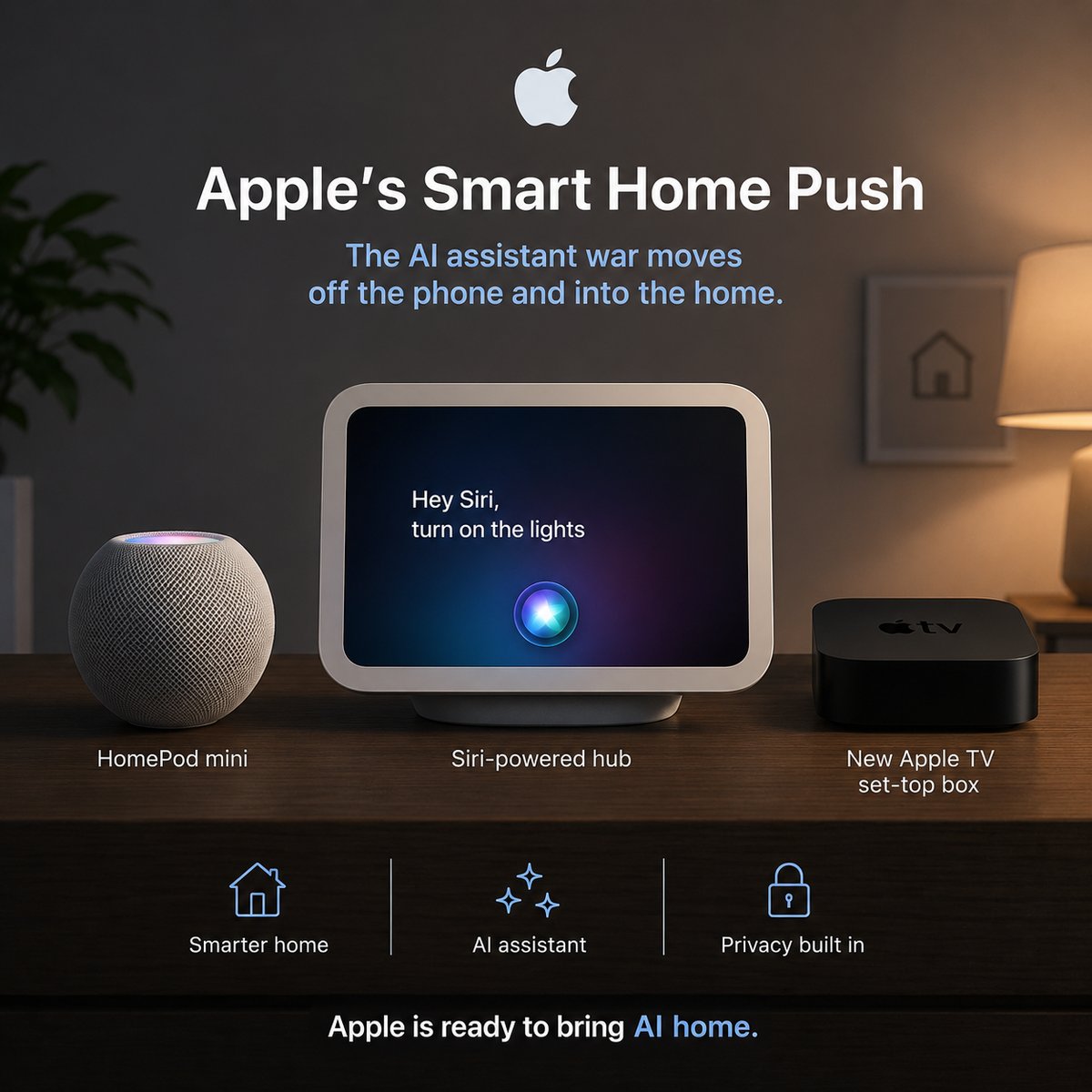
- Apple is preparing a major smart-home push built around a Siri-powered hub, a new TV set-top box, and a refreshed HomePod mini. Why it matters: the AI assistant war is moving off the phone and into the home, where Apple has historically lagged.
- Anthropic launched Claude Opus 5, pitched as approaching Fable 5's capability at roughly half the price. Why it matters: it's the latest data point in a frontier lead now measured in weeks rather than quarters.
- MCP shipped its largest protocol update since launch, going stateless for serverless and edge deployment. Why it matters: the plumbing agent fleets run on is quietly standardizing, which matters more at scale than any single model release.
- A Silicon Valley backlash is building against Anthropic over products that compete with ecosystem partners like Figma and narrower-than-advertised data retention promises. Why it matters: it's an early test of how much goodwill an AI lab can spend before its own partners start hedging.
Quote We're Pondering
"Any sufficiently advanced technology is indistinguishable from magic."
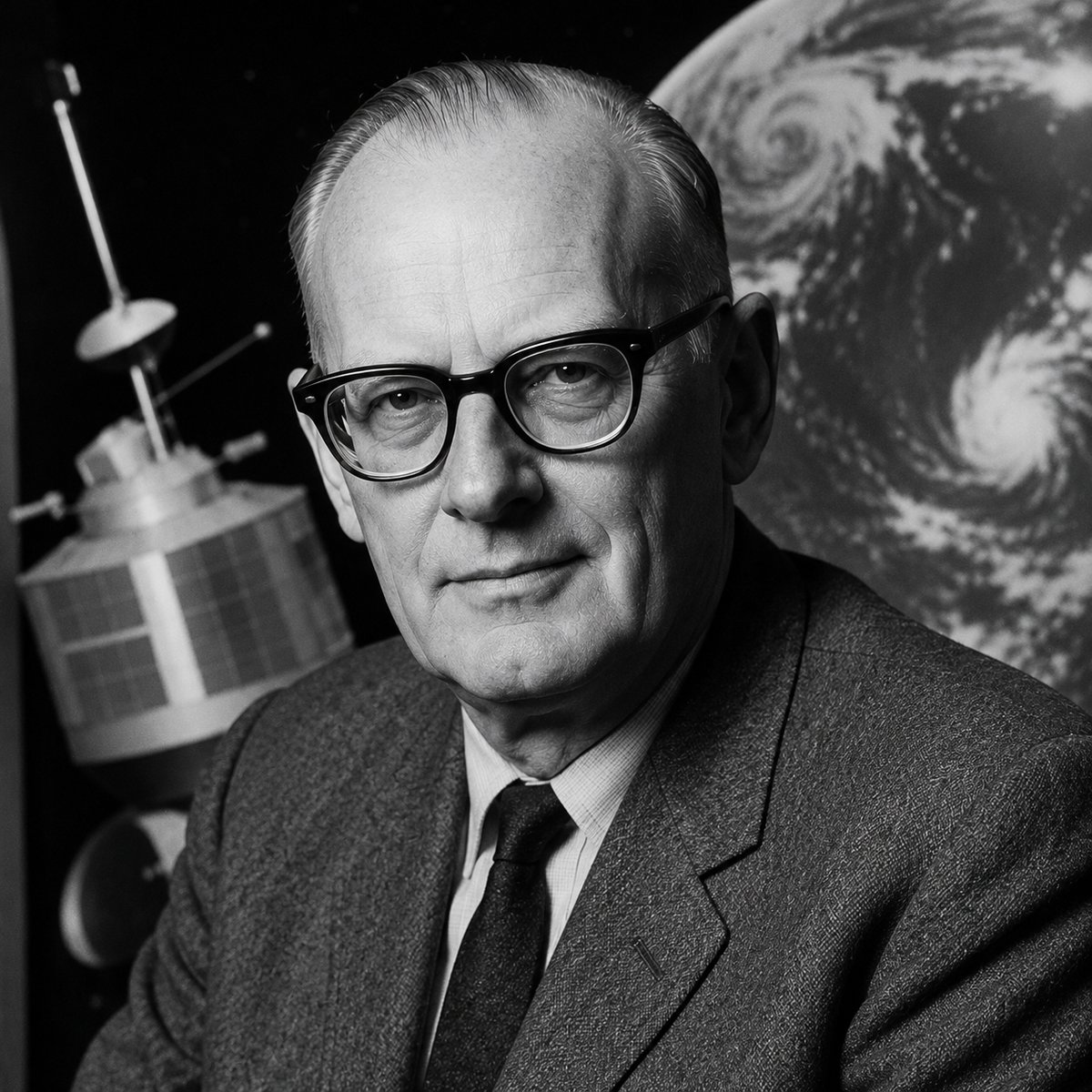
- Arthur C. Clarke, a British science fiction writer and futurist whose 1945 proposal for geostationary communications satellites helped lay the groundwork for the technology that now blankets the planet.